
Retroperitoneal Cancer

Retroperitoneal Cancer
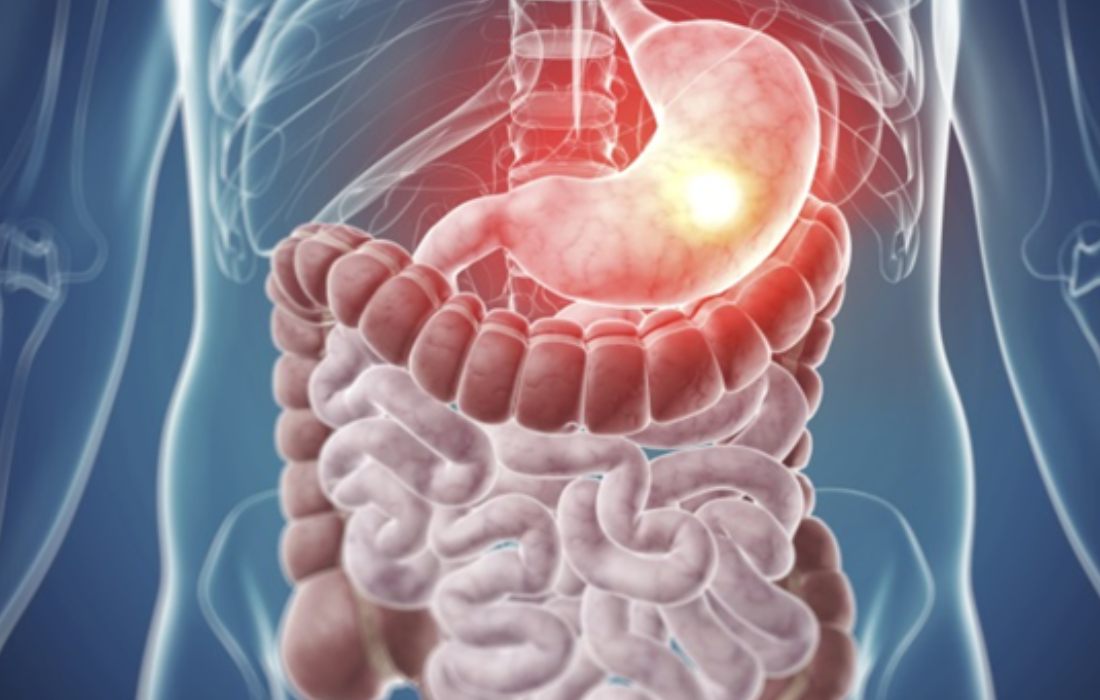
Retroperitoneal cancer is a rare and complex group of malignancies that develop in the retroperitoneal space—the deep anatomical area behind the abdominal cavity that houses vital organs such as the kidneys, pancreas, major blood vessels (aorta and inferior vena cava), adrenal glands, and portions of the intestines. Due to its deep location and proximity to critical structures, retroperitoneal cancer presents unique diagnostic and surgical challenges that require a high level of expertise.

As an experienced surgical oncologist, Dr. AnadiPachaury specializes in the surgical treatment of retroperitoneal cancers and retroperitoneal sarcomas. With meticulous planning, advanced surgical techniques, and a patient-centered approach, he offers comprehensive care to patients seeking retroperitoneal cancer surgery in Shalimar Delhi NCR.

Get In Touch

Have questions or need more information? Get in touch with us today—our team is here to assist you.

Understanding Retroperitoneal Cancer


Most retroperitoneal cancers are sarcomas, which arise from connective tissues such as fat, muscle, nerves, or blood vessels. Common types include:

  • Liposarcoma
  • Leiomyosarcoma
  • Undifferentiated pleomorphic sarcoma
  • Malignant peripheral nerve sheath tumors

Because the retroperitoneal space is large and flexible, tumors can grow significantly before causing symptoms. As a result, many patients are diagnosed at an advanced stage, when the tumor has already displaced or involved nearby organs.

Causes and Risk Factors


The exact cause of retroperitoneal cancer is often unknown, but several factors may increase risk, including:

  • Genetic predisposition or inherited cancer syndromes
  • Prior radiation therapy
  • Exposure to certain chemicals or toxins
  • Abnormal growth of connective tissues

While these cancers are rare, early recognition and expert management are critical for improving outcomes.

Symptoms of Retroperitoneal Cancer


Symptoms of retroperitoneal cancer are often vague and nonspecific, contributing to delayed diagnosis. Common signs and symptoms may include:

  • Persistent abdominal or back pain
  • Abdominal fullness or a palpable mass
  • Unexplained weight loss
  • Early satiety (feeling full quickly)
  • Swelling of the legs due to pressure on blood vessels
  • Changes in bowel or urinary habits

Because these symptoms can mimic other conditions, timely evaluation by a specialist is essential.

Importance of Accurate Diagnosis and Staging


Proper diagnosis and staging form the cornerstone of successful retroperitoneal cancer treatment. Dr. Anadi Pachaury emphasizes comprehensive preoperative assessment to understand the tumor’s size, location, and relationship to surrounding organs.

  • Contrast-enhanced CT scan of the abdomen and pelvis
  • MRI for detailed soft-tissue assessment
  • Image-guided biopsy to confirm histological diagnosis
  • PET-CT in selected cases to assess spread

These investigations help determine surgical feasibility and guide the overall treatment strategy.

Surgical Treatment: The Cornerstone of Care


Surgery is the primary and most effective treatment for retroperitoneal cancer, especially retroperitoneal sarcomas. The main objective is complete tumor removal with clear margins, as incomplete resection significantly increases the risk of recurrence.

Dr. Pachaury is highly skilled in performing complex, multi-organ resections when required. Due to the aggressive nature and size of these tumors, surgery may involve removal of:

  • Portions of the kidney
  • Adrenal gland
  • Sections of the intestine or colon
  • Pancreatic or vascular structures (when necessary)

Each surgery is carefully tailored to the individual patient, balancing oncological safety with preservation of vital organ function.

Challenges in Retroperitoneal Cancer Surgery


Retroperitoneal cancer surgery is among the most technically demanding procedures in surgical oncology due to:

  • Large tumor size at diagnosis
  • Proximity to major blood vessels and organs
  • High risk of recurrence
  • Need for en-bloc resection

Dr. Anadi Pachaury’s expertise lies in navigating these challenges through meticulous surgical planning, advanced techniques, and strict adherence to oncological principles.

Preoperative Planning and Multidisciplinary Approach


Successful outcomes in retroperitoneal cancer require detailed preoperative planning and a multidisciplinary team approach. Dr. Pachaury collaborates closely with:

  • Medical oncologists
  • Radiologists
  • Pathologists
  • Vascular and urological surgeons
  • Anesthesiologists and critical care specialists

This collaborative model ensures that all aspects of patient care—from diagnosis to recovery—are seamlessly coordinated.

Role of Chemotherapy and Radiation Therapy


While surgery remains the mainstay of treatment, additional therapies may be recommended in selected cases:

  • Radiation therapy may be used before surgery to shrink the tumor or after surgery to reduce recurrence risk.
  • Chemotherapy may be advised for certain aggressive tumor subtypes or metastatic disease.

Dr. Pachaury ensures that each patient receives a personalized treatment plan, integrating surgery with other modalities when beneficial.

Minimizing Complications and Enhancing Recovery


Given the complexity of retroperitoneal cancer surgery, postoperative care is crucial. Dr. Pachaury focuses on minimizing complications through:

  • Advanced surgical techniques
  • Careful blood loss management
  • Organ-preserving strategies where possible
  • Enhanced recovery protocols

Patients receive close monitoring in the postoperative period, along with pain management, nutritional support, and early mobilization to promote healing.

Follow-Up and Long-Term Surveillance


Retroperitoneal cancers carry a risk of recurrence, even after successful surgery. Long-term follow-up is essential and includes:

  • Regular clinical evaluations
  • Periodic imaging studies (CT or MRI)
  • Monitoring for functional recovery and quality of life

Dr. Pachaury maintains a structured surveillance plan to detect any recurrence at the earliest possible stage.

Importance of Early Referral to a Specialist


Due to the rarity and complexity of retroperitoneal cancers, outcomes are significantly better when treated by a specialized surgical oncologist. Early referral allows for:

  • Accurate diagnosis
  • Proper staging
  • Optimal surgical planning
  • Reduced risk of incomplete surgery

Timely expert intervention can make a critical difference in survival and long-term outcomes.

Why Choose Dr. Anadi Pachaury for Retroperitoneal Cancer Surgery in Shalimar Bagh?


Patients trust Dr. AnadiPachaury for retroperitoneal cancer treatment because of his:

  • Specialized expertise in complex cancer surgeries
  • Experience with large and advanced retroperitoneal tumors
  • Commitment to complete tumor resection with safety
  • Multidisciplinary and patient-focused approach
  • Emphasis on long-term disease control and quality of life

His dedication ensures that patients receive not only advanced surgical care but also compassionate support throughout their treatment journey.

Conclusion


Retroperitoneal cancer is a rare but aggressive condition that demands expert surgical management and comprehensive care. Surgery remains the cornerstone of treatment, and achieving complete tumor removal requires exceptional skill and meticulous planning.

Under the care of Dr. Anadi Pachaury, patients benefit from advanced retroperitoneal cancer surgery in Shalimar Bagh, supported by a multidisciplinary team and personalized treatment strategies. Through precision, experience, and compassion, he strives to offer patients the best possible chance for long-term survival and improved quality of life.

Early diagnosis, expert surgical intervention, and ongoing follow-up are key to successfully managing retroperitoneal cancer—and choosing the right specialist can make all the difference.