
Rectal Cancer
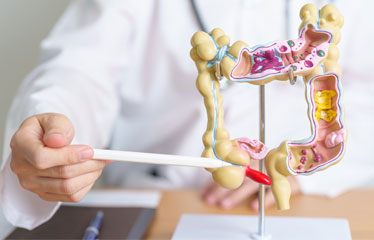
Rectal Cancer
Rectal cancer is a type of colorectal cancer that develops in the rectum, , the last 12–15 centimeters of the large intestine just before the anus. It usually begins as small, non-cancerous growths called polyps, which may gradually turn cancerous over time if left untreated. As the disease progresses, rectal cancer can invade nearby tissues and spread to distant organs such as the liver and lungs.
With advances in medical science, rectal cancer is now highly treatable, especially when detected early. Dr. Anadi Pachaury, an experienced GI cancer surgeon, specializes in the diagnosis, staging, and comprehensive management of rectal cancer, offering patients personalized and evidence-based treatment plans focused on both survival and quality of life
Causes and Risk Factors of Rectal Cancer
The exact cause of rectal cancer is not always known, but severalrisk factors increase the likelihood of developing the disease:
- • Age above 50 years
- • Family history of colorectal or rectal cancer
- • Genetic conditions such as Lynch syndrome or FAP
- • Diet high in red or processed meat
- • Low fiber intake
- • Obesity and physical inactivity
- • Smoking and excessive alcohol consumption
- • Inflammatory bowel diseases (ulcerative colitis, Crohn’s disease)
Dr. AnadiPachaury emphasizes risk assessment and preventive strategies, particularly for high-risk individuals.
Symptoms of Rectal Cancer
In early stages, rectal cancer may not cause noticeable symptoms, which is why routine screening is crucial. As the disease progresses, common symptoms may include:
- • Change in bowel habits (diarrhea, constipation, or narrowing of stools)
- • Blood in stool or rectal bleeding
- • Feeling of incomplete bowel evacuation
- • Persistent abdominal or pelvic discomfort
- • Unexplained weight loss
- • Fatigue or weakness
- • Anemia due to chronic blood loss
If you experience any of these symptoms, early consultation with a rectal cancer specialist is essential for timely diagnosis and treatment.
Diagnosis of Rectal Cancer
Accurate diagnosis and staging are critical for effective treatment planning. Evaluation may include:
-
1. Colonoscopy
Allows direct visualization of the rectum and biopsy of suspicious lesions. -
2. Biopsy
Confirms the diagnosis and identifies cancer type and grade. -
3. Imaging Studies
• MRI pelvis (gold standard for rectal cancer staging) • CT scan of chest and abdomen • PET scan in selected cases -
4. Endorectal Ultrasound
Helps assess tumor depth in early-stage disease.
Dr. AnadiPachaury uses a multidisciplinary approach to ensure precise staging before initiating treatment.
Stages of Rectal Cancer
Rectal cancer is staged from Stage I to Stage IV:
- Stage I: Cancer limited to the rectal wall
- Stage II: Cancer extends beyond the rectum but no lymph nodes involved
- Stage III: Spread to nearby lymph nodes
- Stage IV: Spread to distant organs
Treatment strategies vary depending on the stage, tumor location, and patient health.
Treatment Options for Rectal Cancer
Rectal cancer treatment is usually multimodal, involving one or more of the following:
1. Surgery for Rectal Cancer
Surgery is the cornerstone of rectal cancer treatment. Dr. Anadi Pachaury specializes in advanced rectal cancer surgeries, including:
- Low Anterior Resection (LAR)
- Abdominoperineal Resection (APR)
- Sphincter-preserving surgery
- Total Mesorectal Excision (TME)
- Minimally invasive laparoscopic and robotic surgery
His focus is on complete cancer clearance with maximum function preservation.
2. Chemotherapy
Chemotherapy may be used:
- Before surgery (neoadjuvant)
- After surgery (adjuvant)
- For advanced or metastatic disease
It helps shrink tumors, kill microscopic cancer cells, and reduce recurrence risk.
3. Radiation Therapy
Radiation is commonly combined with chemotherapy before surgery to:
- Reduce tumor size
- Improve operability
- Increase chances of sphincter preservation
Minimally Invasive and Function-Preserving Surgery
One of the major advancements in rectal cancer treatment is minimally invasive surgery, including laparoscopic and robotic techniques. These approaches offer:
- • Smaller incisions
- • Less pain
- • Faster recovery
- • Shorter hospital stay
- • Better cosmetic results
Dr. AnadiPachaury is a strong advocate of nerve-preserving, continence-preserving, and fertility-preserving surgeries, ensuring patients maintain the best possible quality of life after treatment.
Living With and After Rectal Cancer
Recovery after rectal cancer treatment involves:
- • Postoperative rehabilitation
- • Nutritional counseling
- • Stoma care education (if required)
- • Regular follow-up and surveillance
With early detection and expert care, many patients return to normal, active lives after treatment.
Why Choose Dr. AnadiPachaury for Rectal Cancer Treatment?
Patients choose Dr. AnadiPachaury because of his:
- • Over 20+ years of surgical oncology experience
- • Specialized expertise in colorectal and rectal cancer surgery
- • Training at Tata Memorial Centre, Mumbai
- • Experience in managing advanced and recurrent cancers
- • Commitment to personalized, patient-centric care
- • Focus on organ and function preservation
He practices at a comprehensive cancer center equipped with advanced diagnostic and surgical facilities, ensuring world-class care.
Importance of Early Detection and Prevention
Early detection dramatically improves survival rates in rectal cancer. Preventive measures include:
- • Regular screening colonoscopy after age 45–50
- • Healthy, fiber-rich diet
- • Physical activity
- • Avoiding tobacco and excess alcohol
Dr. AnadiPachaury actively promotes awareness, screening, and early diagnosis to reduce rectal cancer mortality.
Consultation for Rectal Cancer Treatment
If you or a loved one is experiencing symptoms suggestive of rectal cancer or has been diagnosed with the condition, timely expert consultation is crucial. With a comprehensive, compassionate, and evidence-based approach, Dr. AnadiPachaury offers advanced and reliable care for rectal cancer patients.
Early diagnosis, precise treatment, and expert surgical care can make a life-changing difference.