
Robotic Cancer Surgery
Robotic Cancer Surgery
Robotic cancer surgery represents a major advancement in modern surgical oncology, offering unmatched precision, control, and visualization for the treatment of various cancers. This cutting-edge minimally invasive technique uses robotic-assisted technology, where the surgeon controls highly advanced robotic arms to perform complex surgical procedures with extreme accuracy.
Under the expert care of Dr.AnadiPachaury, a senior Surgical Oncologist with over 20+ years of experience, robotic cancer surgery is used to treat a wide range of cancers, particularly those located in anatomically complex or hard-to-reach areas. The goal of robotic surgery is not only complete cancer removal but also faster recovery, reduced pain, and improved quality of life for patients.
What Is Robotic Cancer Surgery?
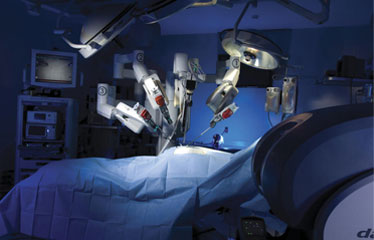
Robotic cancer surgery is a minimally invasive surgical approach in which the surgeon operates through small incisions using a robotic surgical system. The system consists of:
- Robotic arms holding surgical instruments
- A high-definition 3D camera
- A surgeon console that provides magnified visualization and precise control
Despite the term “robotic,” the surgery is entirely surgeon-controlled. The robotic system translates the surgeon’s hand movements into precise, tremor-free motions, allowing for exceptional accuracy even in delicate cancer surgeries.
How Robotic Surgery Is Different from Traditional Surgery
Traditional open cancer surgery requires large incisions, which may result in more pain, blood loss, and longer recovery. In contrast, robotic cancer surgery uses small keyhole incisions, offering several advantages:
- Enhanced 3D visualization of the surgical field
- Greater dexterity and range of motion than the human hand
- Tremor elimination
- Improved access to deep or narrow anatomical spaces
These benefits make robotic surgery particularly valuable in complex oncological procedures.
Cancers Treated with Robotic Surgery
Robotic cancer surgery is highly effective for treating various solid tumors, especially where precision and nerve preservation are critical. Common cancers treated using robotic techniques include:
- Colon cancer
- Rectal cancer
- Gastric (stomach) cancer
- Pancreatic cancer
- Gynecological cancers (ovarian, uterine)
- Prostate cancer
- Pelvic and abdominal cancers
- Recurrent or advanced malignancies
Dr.AnadiPachaury carefully evaluates each patient to determine whether robotic surgery is the most appropriate and oncologically safe option.
Advantages of Robotic Cancer Surgery
Robotic-assisted surgery offers multiple benefits for cancer patients when compared to conventional surgical approaches.
-
1. Exceptional Precision
Robotic instruments allow fine, controlled movements, enabling surgeons to remove tumors accurately while sparing healthy tissues. -
2. Minimally Invasive Approach
Small incisions lead to reduced trauma to muscles and organs. -
3. Reduced Blood Loss
Enhanced visualization and precision minimize bleeding during surgery. -
4. Less Postoperative Pain
Patients typically require fewer pain medications after surgery. -
5. Faster Recovery
Shorter hospital stays and quicker return to daily activities. -
6.Better Functional Outcomes
Improved nerve, bowel, urinary, and sexual function preservation. -
7. Improved Cosmetic Results
Smaller scars compared to open surgery.
Robotic Surgery for Gastrointestinal and Pelvic Cancers
Robotic surgery is particularly beneficial for gastrointestinal and pelvic cancers,. where space is limited and critical nerves and organs are closely packed.
Dr.AnadiPachaury is a strong advocate of function-preserving robotic cancer surgery, especially for:
- Rectal cancer, where sphincter and nerve preservation is crucial
- Colon cancer, requiring precise lymph node dissection
- Pelvic tumors, involving complex anatomy
Robotic technology enables total mesorectal excision (TME) and complex pelvic dissections with superior precision.
Preoperative Evaluation for Robotic Cancer Surgery
Before recommending robotic cancer surgery, Dr.AnadiPachaury conducts a thorough preoperative assessment to ensure patient safety and optimal outcomes.
This includes:
- Detailed medical history and physical examination
- Imaging studies (CT scan, MRI, PET scan as required)
- Blood tests and organ function evaluation
- Cancer staging and biopsy review
- Multidisciplinary tumor board discussion
Patients also receive personalized counseling, where the procedure, risks, benefits, and recovery process are explained in detail.
How Robotic Cancer Surgery Is Performed
Robotic surgery is performed under general anesthesia. The procedure typically involves:
- 1. Making small incisions (ports)
- 2. Docking the robotic system
- 3. Inserting robotic instruments and camera
- 4. Surgeon controls the robot from a console
- 5. Precise removal of tumor and lymph nodes
- 6. Reconstruction, if required
The duration of surgery depends on the complexity and type of cancer.
Recovery After Robotic Cancer Surgery
One of the major advantages of robotic surgery is faster and smoother recovery.
Most patients experience:
- • Minimal postoperative pain
- • Early mobilization (within 24 hours)
- • Shorter hospital stay
- • Faster return to normal diet and activities
Postoperative care includes:
- • Pain management
- • Wound care
- • Early physiotherapy
- • Nutritional guidance
- • Follow-up visits to monitor recovery
Dr.AnadiPachaury and his team provide continuous support throughout the recovery phase, ensuring patient comfort and safety.
Robotic Surgery in Advanced and Recurrent Cancer
Robotic surgery is increasingly used in advanced and recurrent cancers, where previous treatments or surgeries may have altered normal anatomy. The enhanced visualization and precision help surgeons navigate scar tissue and complex anatomical planes safely.
With extensive experience in supra-major oncological surgeries, Dr.AnadiPachaury uses robotic assistance to achieve optimal outcomes even in challenging cases.
Why Choose Dr.AnadiPachaury for Robotic Cancer Surgery?
Patients choose Dr.AnadiPachaury for robotic cancer surgery because of his:
- • Over 20+ years of experience in surgical oncology
- • Specialized training at Tata Memorial Centre, Mumbai
- • Expertise in advanced laparoscopic and robotic surgery
- • Experience in managing complex, advanced, and recurrent cancers
- • Strong focus on function preservation and quality of life
- • Compassionate, patient-centered approach
He practices at a state-of-the-art cancer center equipped with advanced robotic surgical systems and multidisciplinary support.
Robotic Surgery vs Open Surgery
| Feature | Robotic Surgery | Open Surgery |
|---|---|---|
| Incision size | Small | Large |
| Pain | Less | More |
| Blood loss | Minimal | Higher |
| Hospital stay | Shorter | Longer |
| Recovery | Faster | Slower |
| Functional outcomes | Better | Variable |
Whenever oncologically appropriate, robotic surgery is preferred due to its minimally invasive nature and superior precision.
Post-Treatment Follow-Up and Long-Term Care
After robotic cancer surgery, regular follow-up is essential to:
- • Monitor healing and recovery
- • Detect recurrence early
- • Manage long-term side effects
- • Ensure overall health and well-being
Follow-up plans may include clinical examinations, imaging, blood tests, and coordination with medical or radiation oncologists if additional treatment is required.
Consultation for Robotic Cancer Surgery
If you have been diagnosed with cancer and are exploring advanced surgical options, robotic cancer surgery may offer a safer, more precise, and less invasive solution. Early expert consultation plays a crucial role in achieving the best outcomes.
Under the care of Dr.AnadiPachaury, patients receive advanced robotic surgical treatment combined with compassionate, personalized care. His expertise ensures that each patient is guided confidently through diagnosis, treatment, recovery, and long-term follow-up.