
Cytoreductive Surgery (CRS)
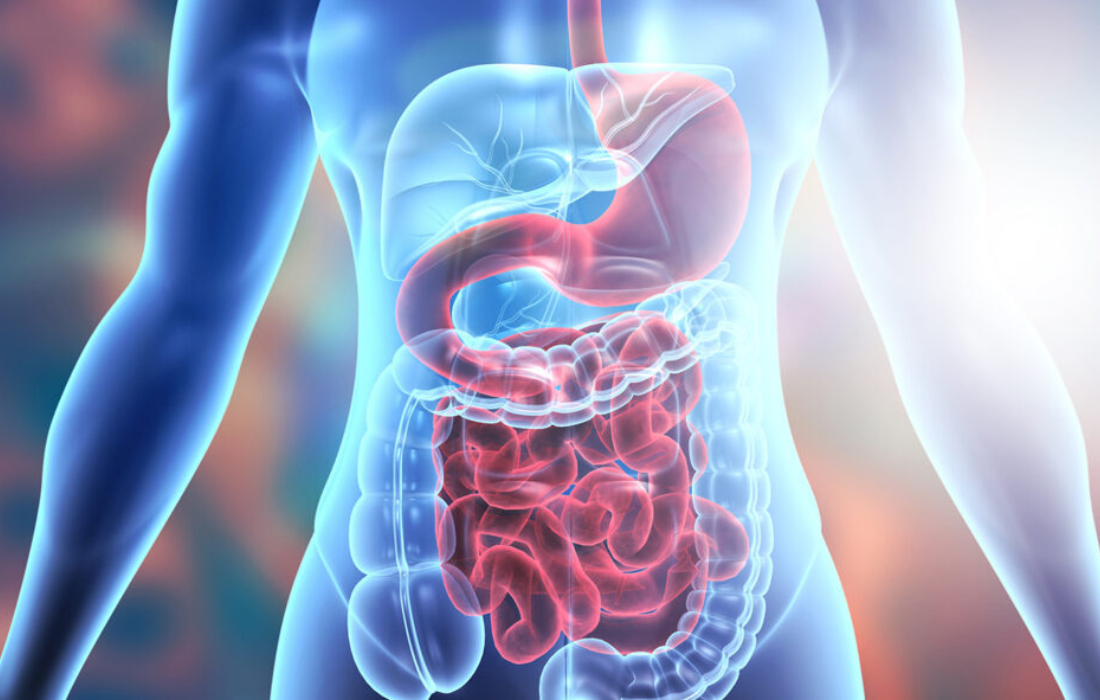
Cytoreductive Surgery (CRS)
Cytoreductive Surgery (CRS) is a highly specialized surgical procedure designed to remove visible tumors from the abdominal cavity, particularly in patients with peritoneal carcinomatosis or other advanced and recurrent cancers. CRS is a cornerstone treatment for cancers affecting the peritoneal surfaces, including those originating from the stomach, colon, ovaries, pancreas, appendix, and other abdominal organs.
As a leading surgical oncologist, Dr. Anadi Pachaury has extensive experience in performing CRS, providing patients with precise tumor removal, minimized complications, and personalized care. Patients seeking Cytoreductive Surgery in Dwarka benefit from his expertise in advanced oncological procedures and his commitment to achieving the best possible outcomes.
Understanding Peritoneal Carcinomatosis
Peritoneal carcinomatosis occurs when cancer spreads across the peritoneal lining of the abdominal cavity. This type of cancer spread is often seen in:
- • Ovarian cancer
- • Colorectal cancer
- • Gastric cancer
- • Appendiceal cancer
- • Pancreatic cancer
These tumors are challenging to treat because conventional systemic chemotherapy may not adequately reach tumor deposits on the peritoneal surface. Cytoreductive Surgery (CRS) addresses this limitation by physically removing all visible tumor deposits, creating the foundation for adjunctive treatments such as HIPEC (Hyperthermic Intraperitoneal Chemotherapy) or PIPAC (Pressurized Intraperitoneal Aerosol Chemotherapy).
What is Cytoreductive Surgery (CRS)?
Cytoreductive Surgery (CRS) is a complex surgical procedure focused on achieving complete macroscopic tumor removal from the abdominal cavity. The primary goal is to eliminate all visible tumors while preserving the function of surrounding organs.
CRS involves:
- Preoperative Planning: Detailed imaging studies such as CT scans, MRI, or PET-CT help map the extent of peritoneal disease.
- Tumor Assessment: Intraoperatively, the surgeon carefully evaluates the tumor burden and determines the resectable areas.
- Resection of Tumors: Visible tumors are removed from affected organs, peritoneal surfaces, and surrounding tissues.
- Organ Preservation: When feasible, organs are preserved to maintain functionality and improve quality of life.
- Preparation for Adjunct Therapy: CRS often serves as the first step before HIPEC or PIPAC to eradicate microscopic cancer cells.
Dr. Pachaury employs meticulous surgical techniques to ensure complete cytoreduction, which is crucial for improving survival rates and the efficacy of subsequent treatments.
Indications for Cytoreductive Surgery (CRS)
Cytoreductive Surgery is indicated for carefully selected patients with:
- Peritoneal carcinomatosis from ovarian, gastric, colorectal, appendiceal, or pancreatic cancers
- Recurrent abdominal cancers where macroscopic tumors persist despite prior treatments
- Patients eligible for combined therapies such as CRS + HIPEC or CRS + PIPAC
- Selected cases of rare peritoneal malignancies such as peritoneal mesothelioma
Each patient is evaluated individually to determine suitability for CRS, taking into account the tumor location, extent, prior treatments, and overall health status.
Preoperative Assessment
Successful Cytoreductive Surgery requires comprehensive preoperative evaluation. Dr. Pachaury ensures that every patient undergoes:
- Detailed medical history and oncological assessment
- High-resolution imaging to assess tumor distribution
- Laboratory investigations including blood counts, liver and kidney function tests
- Nutritional evaluation to ensure patients can tolerate extensive surgery
- Patient counseling about the procedure, risks, recovery, and expected outcomes
This meticulous preparation ensures a personalized surgical approach that maximizes safety and treatment effectiveness.
The CRS Procedure
Cytoreductive Surgery (CRS) is performed under general anesthesia and may take several hours, depending on the tumor burden and extent of disease. The procedure involves:
- Exploration of the Abdominal Cavity – Using advanced surgical tools, the abdominal cavity is carefully examined.
- Resection of Tumors – All visible tumors are meticulously removed from the peritoneum, affected organs, and surrounding tissues.
- Organ Preservation Strategies – Wherever possible, functional organs are preserved to maintain quality of life.
- Preparation for Adjunct Therapy – After CRS, procedures like HIPEC or PIPAC may be administered to target microscopic residual disease.
- Closure and Recovery – The surgical site is carefully closed, and postoperative care is initiated to ensure smooth recovery.
Dr. Pachaury’s expertise in advanced surgical oncology allows him to perform CRS safely while minimizing complications and improving functional outcomes.
Benefits of Cytoreductive Surgery
Cytoreductive Surgery offers numerous advantages for patients with peritoneal cancers:
- Maximal Tumor Reduction – Removal of visible tumors provides a foundation for additional treatments.
- Enhanced Survival Rates – Patients undergoing CRS combined with HIPEC or PIPAC demonstrate improved long-term outcomes.
- Personalized Surgical Approach – Each procedure is tailored to the patient’s tumor distribution and overall health.
- Organ Function Preservation – Efforts are made to maintain organ integrity and post-surgical quality of life.
- Integration with Adjunct Therapy – CRS enhances the effectiveness of intraperitoneal chemotherapy methods.
- Comprehensive Management of Advanced Cancer – CRS addresses tumor burden that cannot be controlled by systemic therapy alone.
These benefits make CRS a critical surgical procedure for advanced abdominal malignancies, offering patients hope and improved treatment outcomes.
Recovery and Postoperative Care
Recovery after Cytoreductive Surgery is closely monitored due to the complex nature of the procedure. Dr. Pachaury emphasizes:
- Pain management and supportive care
- Nutritional support to optimize healing and strength
- Monitoring for complications such as bleeding, infection, or organ dysfunction
- Early mobilization to improve functional recovery
- Follow-up imaging and laboratory tests to monitor for recurrence
- Psychological support for emotional well-being
Although CRS is an extensive surgery, careful postoperative care ensures faster recovery and better quality of life for patients.
CRS Combined with HIPEC or PIPAC
Cytoreductive Surgery is often combined with advanced intraperitoneal chemotherapy techniques such as HIPEC or PIPAC for enhanced cancer control:
- CRS + HIPEC (Hyperthermic Intraperitoneal Chemotherapy) – After complete tumor removal, heated chemotherapy is circulated throughout the abdominal cavity to destroy microscopic residual cancer cells.
- CRS + PIPAC (Pressurized Intraperitoneal Aerosol Chemotherapy) – Aerosolized chemotherapy delivered under pressure targets microscopic tumors effectively with minimal systemic toxicity.
Dr. Pachaury’s expertise ensures that these combined procedures are performed safely and effectively, maximizing therapeutic outcomes while reducing side effects.
Multidisciplinary Approach
Cytoreductive Surgery delivers the best results when integrated into a multidisciplinary cancer treatment plan. Dr. Pachaury collaborates closely with:
- Medical Oncologists – To coordinate systemic chemotherapy or targeted therapy
- Radiologists – For precise imaging, staging, and treatment planning
- Nutritionists – To optimize patient strength before and after surgery
- Rehabilitation Specialists – To support early mobility and functional recovery
- Psychological Support Teams – To address emotional and mental well-being
This collaborative approach ensures comprehensive care, combining surgical precision with holistic patient management.
Advantages Over Conventional Surgery
Compared to traditional surgical approaches for peritoneal malignancies, Cytoreductive Surgery offers significant advantages:
- Complete tumor removal rather than partial excision
- Integration with intraperitoneal chemotherapy for maximal effectiveness
- Reduced recurrence rates due to thorough cytoreduction
- Improved functional outcomes through organ-sparing techniques
- Enhanced patient survival and quality of life
These benefits make CRS the preferred treatment option for selected patients with advanced or recurrent abdominal cancers.
Why Choose Dr. Anadi Pachaury for CRS in Dwarka
Patients seeking Cytoreductive Surgery in Dwarka benefit from Dr. Pachaury’s:
- Extensive experience in advanced cytoreductive surgery for peritoneal malignancies
- Expertise in precision surgical techniques that maximize tumor removal while preserving organ function
- Personalized treatment planning based on tumor burden, location, and patient health
- Seamless integration of CRS with HIPEC or PIPAC for optimal outcomes
- Strong commitment to patient safety, comfort, and recovery
- Use of cutting-edge surgical technology and evidence-based protocols
Under Dr. Pachaury’s care, patients receive world-class surgical oncology treatment, improving survival rates and quality of life even in complex cases.
Conclusion
Cytoreductive Surgery (CRS) is a pioneering surgical procedure for advanced abdominal cancers, offering patients the opportunity for maximal tumor removal and long-term disease control. When combined with adjunct therapies such as HIPEC or PIPAC, CRS significantly enhances tumor eradication, reduces recurrence risk, and improves survival outcomes.
Under the expert care of Dr. Anadi Pachaury, patients receive CRS in Dwarka with meticulous preoperative planning, precision surgery, and comprehensive postoperative support. His expertise in advanced surgical oncology ensures personalized, effective treatment focused on both cancer control and overall well-being.
Early consultation, thorough evaluation, and a multidisciplinary approach are key to achieving the best outcomes with Cytoreductive Surgery, and Dr. Pachaury’s guidance provides patients with access to cutting-edge, life-saving cancer care tailored to their individual needs.