
Lymphedema Surgery
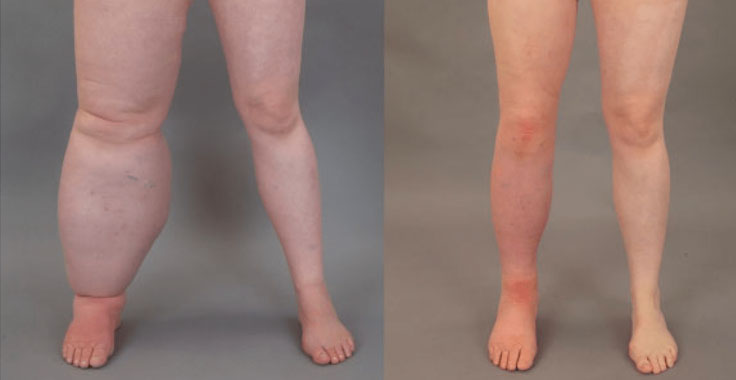
What is Lymphedema?
Lymphedema is a chronic condition caused by blockage or damage to the lymphatic system, leading to swelling (usually in the arms or legs). It commonly develops after cancer surgery, lymph node removal, radiation therapy, infection, or trauma. The swelling occurs because lymph fluid cannot drain properly, resulting in fluid accumulation in the tissues.
If left untreated, lymphedema can cause discomfort, skin changes, infections, and reduced mobility. Early evaluation and appropriate treatment are essential to prevent progression.
Who is at Risk for Lymphedema?
Lymphedema is most commonly seen in:
- Patients who have undergone breast cancer surgery with lymph node removal
- Patients treated for gynecological, melanoma, or urological cancers
- Individuals who have received radiation therapy
- Patients with recurrent infections affecting lymphatic drainage
- Individuals with congenital lymphatic abnormalities (primary lymphedema)
Symptoms of Lymphedema
Symptoms may develop gradually and can worsen over time. Common signs include:
- Persistent swelling in the arm, leg, or affected area
- Feeling of heaviness or tightness
- Restricted movement
- Thickening or hardening of the skin
- Recurrent skin infections (cellulitis)
- Discomfort or aching sensation
Early-stage lymphedema responds better to treatment.
Diagnosis of Lymphedema
Diagnosis is usually based on clinical examination and medical history. Additional investigations may include:
- Ultrasound to rule out other causes of swelling
- Lymphoscintigraphy to assess lymphatic drainage
- MRI or CT scan in selected cases
- Indocyanine green (ICG) lymphography for surgical planning
Proper staging helps determine the most suitable treatment approach.
Lymphedema Surgery – Advanced Treatment Options
While conservative management (compression therapy, physiotherapy, manual lymphatic drainage) remains the first line of treatment, surgery may be recommended in selected patients when swelling persists despite optimal non-surgical care.
Modern lymphedema surgery aims to restore lymphatic drainage and improve quality of life.
Types of Lymphedema Surgery
1. Lymphovenous Bypass (LVB) / Lymphaticovenular Anastomosis (LVA)
A supermicrosurgical procedure where blocked lymphatic channels are connected to nearby small veins. This allows lymph fluid to bypass the obstruction and drain effectively.
- Best suited for: Early-stage lymphedema
- Benefits: Minimally invasive, small incisions, quicker recovery
2. Vascularized Lymph Node Transfer (VLNT)
In this procedure, healthy lymph nodes from another part of the body are transplanted to the affected area to restore lymphatic function.
Best suited for: Moderate to advanced lymphedemaGoal: Improve natural lymph drainage over time
3. Liposuction for Lymphedema
For long-standing lymphedema with excess fatty tissue deposition, liposuction may help reduce limb size significantly.
- Best suited for: Chronic, fibrotic lymphedema
- Note: Requires continued compression therapy post-procedure
Benefits of Lymphedema Surgery
- Reduction in limb swelling
- Improved mobility and comfort
- Reduced frequency of infections
- Better cosmetic appearance
- Improved quality of life
- Decreased dependency on compression garments (in selected cases)
Is Lymphedema Surgery Safe?
When performed by an experienced surgical specialist using advanced microsurgical techniques, lymphedema surgery is safe and effective. Proper patient selection and pre-operative evaluation are crucial for optimal results.
Recovery After Lymphedema Surgery
Recovery depends on the procedure performed. Most minimally invasive procedures allow early mobilization. Patients may require:
- Temporary compression therapy
- Physiotherapy and rehabilitation
- Regular follow-up monitoring
- Gradual return to daily activities
Results improve gradually over months as lymphatic drainage improves.
Living With Lymphedema
Even after surgery, lifestyle management remains important:
- Maintain healthy body weight
- Avoid infections and skin injuries
- Regular exercise
- Proper limb care
- Continue medical follow-up
A comprehensive treatment plan provides long-term control and improved comfort.
Consultation for Lymphedema Surgery
If you are experiencing persistent limb swelling after cancer treatment or lymph node surgery, early consultation with a specialist is essential. A thorough evaluation, imaging assessment, and individualized treatment planning can significantly improve outcomes.
With advanced microsurgical techniques and a patient-centered approach, lymphedema surgery offers hope for long-term relief, improved mobility, and better quality of life.