
Anal Cancer
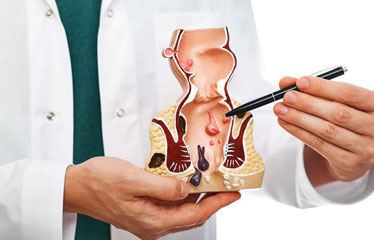
Anal Cancer
Anal cancer is a rare but serious malignancy that develops in the tissues of the anus, the opening at the end of the digestive tract through which stool leaves the body. Although less common than other gastrointestinal cancers, the incidence of anal cancer has been increasing worldwide, largely due to its association withhuman papillomavirus (HPV) infection.
With early diagnosis and appropriate treatment, anal cancer is highly treatable, and many patients achieve excellent long-term outcomes. Dr. Anadi Pachaury, an experienced Surgical Oncologist, specializes in the gastro intestinal cancers offerscomprehensive management of anal cancer, offering individualized treatment plans based on tumor stage, location, and patient-specific factors.
What Is Anal Cancer?
Anal cancer occurs when abnormal cells grow uncontrollably in the anal canal or the skin around the anal opening (perianal area). Most anal cancers are squamous cell carcinomas, which arise from the flat cells lining the anal canal. Other rare types include adenocarcinoma, melanoma, and neuroendocrine tumors.
Because the anus is rich in muscles and nerves that control bowel continence, anal cancer treatment requires specialized expertise to ensure effective cancer control while preserving function and quality of life whenever possible.
Causes and Risk Factors of Anal Cancer
The most significant cause of anal cancer is persistent infection with high-risk HPV strains, particularly HPV-16 and HPV-18. However, not everyone with HPV develops cancer. Several additional factors increase the risk:
- • HPV infection
- • Smoking
- • Weakened immune system (HIV, organ transplant patients)
- • History of anal warts
- • Multiple sexual partners
- • Chronic inflammation of the anal region
- • Increasing age (most common after 50 years)
Dr. AnadiPachaury emphasizes identification, early screening, and preventive counseling, especially for high-risk individuals.
Symptoms of Anal Cancer
Symptoms of anal cancer are often mistaken for common benign conditions such as piles (hemorrhoids), fissures, or infections. Common warning signs include:
- • Rectal or anal bleeding
- • Anal pain or pressure
- • Itching around the anus
- • A lump or mass near the anal opening
- • Change in bowel habits
- • Narrowing of stool
- • Discharge from the anus
- • Swollen lymph nodes in the groin
Any persistent or unusual anal symptoms should prompt immediate evaluation by a cancer specialist, as early detection greatly improves outcomes.
Diagnosis of Anal Cancer
Accurate diagnosis and staging are crucial for determining the most effective treatment strategy. Diagnostic evaluation may include:
1. Physical and Digital Rectal Examination
To assess the anal canal and detect any masses.
2. Anoscopy / Proctoscopy
Allows direct visualization of the anal canal.
3. Biopsy
Confirms the presence and type of cancer.
4. Imaging Studies
- MRI pelvis for local staging
- CT scan of chest and abdomen
- PET-CT in selected cases
5. HPV Testing
May help identify HPV-related disease.
Dr. Anadi Pachaury follows a multidisciplinary approach, collaborating with medical and radiation oncologists for accurate staging and planning.
Stages of Anal Cancer
Anal cancer is staged from Stage I to Stage IV, depending on tumor size and spread:
- Stage I: Small tumor confined to the anus
- Stage II: Larger tumor, still localized
- Stage III: Spread to nearby lymph nodes
- Stage IV: Spread to distant organs
Staging plays a key role in determining whether treatment will involve chemoradiation, surgery, or a combination of therapies.
Treatment Options for Anal Cancer
Anal cancer treatment often involves a combination of therapies, tailored to the stage and characteristics of the tumor.
1. Chemoradiation Therapy (Primary Treatment)
For most patients, the standard treatment for anal cancer is combined chemotherapy and radiation therapy, which:
- Shrinks the tumor
- Destroys cancer cells
- Preserves the anal sphincter
- Avoids permanent colostomy in many cases
This approach has shown excellent cure rates, especially in early and locally advanced disease.
2. Surgery for Anal Cancer
Surgery is generally reserved for:
- Residual disease after chemoradiation
- Recurrent anal cancer
- Advanced tumors not responding to non-surgical treatment
Surgical procedures may include local excision or abdominoperineal resection (APR) in advanced cases.
Dr. Anadi Pachaury specializes in complex oncological surgeries, with a strong focus on function preservation and quality of life.
3. Chemotherapy
Chemotherapy may be used:
- Along with radiation
- For metastatic disease
- In recurrent or resistant tumors
It helps control cancer spread and improve survival outcomes.
Minimally Invasive and Function-Preserving Approach
One of the major advances in anal cancer management is the emphasis on organ and function preservation. Whenever feasible, Dr. Anadi Pachaury prioritizes:
- Sphincter preservation
- Nerve-sparing techniques
- Avoidance of permanent stoma
- Maintaining bowel control and daily functionality
Each treatment plan is carefully designed to balance oncological safety with patient comfort and dignity.
Recovery and Post-Treatment Care
Recovery after anal cancer treatment depends on the treatment modality used. Post-treatment care may include:
- Pain management
- Skin care after radiation
- Nutritional support
- Bowel habit management
- Regular follow-up visits
- Imaging and examinations to detect recurrence
Long-term follow-up is essential to ensure early detection of recurrence and management of treatment-related side effects.
Why Choose Dr. Anadi Pachaury for Anal Cancer Treatment?
- Over 20+ years of experience in surgical oncology
- Expertise in gastrointestinal and pelvic cancers
- Training from Tata Memorial Centre, Mumbai
- Experience in treating advanced and recurrent cancers
- Patient-centric, personalized treatment philosophy
- Multidisciplinary approach to cancer care
His goal is not only to treat cancer but also to restore health, confidence, and quality of life.
Importance of Early Detection and Prevention
Early diagnosis significantly improves cure rates in anal cancer. Preventive strategies include:
- HPV vaccination
- Safe sexual practices
- Smoking cessation
- Regular medical checkups for high-risk individuals
Dr. Anadi Pachaury strongly advocates awareness, prevention, and early intervention as key tools in reducing anal cancer burden.
Consultation for Anal Cancer Treatment
If you are experiencing symptoms such as anal bleeding, pain, or persistent discomfort, or if you have been diagnosed with anal cancer, timely expert consultation is critical.
With advanced diagnostic tools, modern treatment techniques, and compassionate care, Dr. Anadi Pachaury provides reliable and comprehensive anal cancer treatment.
Early diagnosis, expert planning, and personalized care can make a life-saving difference.