
Gallbladder Cancer
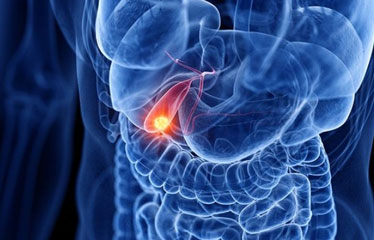
Gallbladder Cancer
Gallbladder cancer is a rare but highly aggressive malignancy that originates in the gallbladder, a small organ located beneath the liver that stores bile. Due to its subtle early symptoms and rapid progression, gallbladder cancer is often diagnosed at an advanced stage. Successful management requires early detection, accurate staging, and expert surgical intervention.
Dr. AnadiPachaury is a highly experienced surgical oncologist specializing in gallbladder cancer surgery. With advanced training in hepatobiliary and abdominal oncology, he offers comprehensive and personalized treatment for patients diagnosed with gallbladder cancer, focusing on complete tumor removal, reduced complications, and improved long-term outcomes.
Understanding Gallbladder Cancer
Gallbladder cancer typically begins in the inner lining of the gallbladder and can spread quickly to nearby organs such as the liver, bile ducts, and lymph nodes. The disease is more common in certain populations and often associated with long-standing gallbladder conditions.
Gallbladder cancer is classified based on how deeply it invades the gallbladder wall and whether it has spread to surrounding tissues or distant organs. Early-stage cancers have significantly better outcomes when treated promptly by an experienced specialist.
Causes and Risk Factors of Gallbladder Cancer
While the exact cause of gallbladder cancer is not always known, several factors increase the risk of developing the disease:
- • Gallstones and chronic gallbladder inflammation
- • Porcelain gallbladder
- • Gallbladder polyps larger than 1 cm
- • Congenital biliary abnormalities
- • Obesity and unhealthy diet
- • Increasing age
- • Female gender
- • Family history of gallbladder disease
Understanding these risk factors helps identify individuals who may benefit from closer monitoring and early intervention.
Symptoms of Gallbladder Cancer
Gallbladder cancer often causes vague symptoms that can resemble common digestive problems. As the disease progresses, symptoms may include:
- • Persistent abdominal pain, especially in the upper right abdomen
- • Jaundice (yellowing of skin and eyes)
- • Nausea and vomiting
- • Loss of appetite
- • Unexplained weight loss
- • Fever
- • Abdominal bloating or mass
Because these symptoms often appear late, early evaluation by a gallbladder cancer specialist is crucial for timely diagnosis.
Diagnosis and Preoperative Evaluation
Accurate diagnosis and staging are essential for planning effective gallbladder cancer surgery. Dr. AnadiPachaury emphasizes meticulous preoperative planning, using advanced diagnostic tools to assess the extent of the disease.
Diagnostic evaluation may include:
- • Blood tests, including liver function tests
- • Tumor markers (CA 19-9, CEA)
- • High-resolution imaging such as ultrasound, CT scans, and MRI
- • MRCP for detailed biliary anatomy
- • Diagnostic laparoscopy in selected cases
These investigations help determine whether the cancer is resectable and guide the most appropriate surgical approach.
Surgical Treatment for Gallbladder Cancer
Surgery remains the cornerstone of curative treatment for gallbladder cancer. The goal of surgery is complete removal of the tumor with clear margins, along with appropriate lymph node dissection.
Cholecystectomy
For early-stage gallbladder cancer, cholecystectomy (removal of the gallbladder) may be sufficient. However, due to the aggressive nature of the disease, additional procedures are often required.
Extended Cholecystectomy with Liver Resection
In most resectable cases, Dr.Pachaury performscholecystectomy with partial liver resection, removing segments of the liver adjacent to the gallbladder to ensure complete tumor clearance. This approach significantly reduces the risk of local recurrence.
Lymphadenectomy
Regional lymph node dissection (lymphadenectomy) is a critical component of gallbladder cancer surgery. Removing affected lymph nodes allows for accurate staging and improves long-term outcomes.
Advanced Surgical Techniques and Precision
Gallbladder cancer surgery is technically demanding due to the proximity of the gallbladder to the liver, bile ducts, and major blood vessels. Dr. AnadiPachaury utilizes advanced surgical techniques to enhance precision and patient safety, including:
- • Detailed imaging-guided surgical planning
- • Meticulous dissection to achieve clear margins
- • Advanced energy devices to minimize blood loss
- • Careful preservation of vital structures
- • Minimally invasive approaches in selected cases
His expertise ensures an optimal balance between aggressive cancer removal and preservation of function.
Minimally Invasive Gallbladder Cancer Surgery
In carefully selected patients, minimally invasive techniques such as laparoscopic surgery may be used for gallbladder cancer treatment. These advanced approaches offer several important benefits:
- • Smaller incisions
- • Reduced postoperative pain
- • Faster recovery
- • Shorter hospital stay
Dr. Pachaury carefully evaluates each case to determine whether minimally invasive surgery is both safe and effective for the patient.
Role of Chemotherapy and Radiation Therapy
Depending on the stage of the disease and pathological findings, additional treatments may be recommended to improve outcomes and reduce the risk of recurrence.
- • Adjuvant chemotherapy to reduce recurrence risk
- • Neoadjuvant therapy in selected advanced cases
- • Radiation therapy in specific situations
A multidisciplinary team approach ensures comprehensive, well-coordinated, and personalized care for each patient.
Recovery and Postoperative Care
Recovery after gallbladder cancer surgery requires close monitoring and comprehensive supportive care to ensure safe healing and optimal outcomes.
Postoperative management includes:
- • Pain control and infection prevention
- • Monitoring liver and biliary function
- • Nutritional support
- • Gradual return to daily activities
- • Regular follow-up visits and imaging
Dr. Pachaury provides continuous follow-up care to ensure smooth recovery and early detection of any recurrence.
Importance of Early Detection
Early diagnosis of gallbladder cancer significantly improves survival outcomes. Individuals with long-standing gallbladder disease or risk factors should seek timely evaluation and appropriate screening.
Why Choose Dr. Anadi Pachaury for Gallbladder Cancer Surgery in Shalimar Bagh?
Patients seeking gallbladder cancer surgery in Shalimar Bagh and Delhi NCR benefit from Dr. Anadi Pachaury’s expertise, experience, and patient-centered approach to cancer care.
Patients trust Dr. Pachaury because of:
- • Extensive experience in hepatobiliary and abdominal cancer surgery
- • Expertise in complex gallbladder cancer resections
- • Advanced preoperative planning and surgical precision
- • Personalized, patient-focused treatment approach
- • Commitment to long-term outcomes and quality of life
His dedication to early and complete surgical intervention offers patients the best chance for survival and long-term recovery.
Conclusion
Gallbladder cancer is an aggressive disease that requires expert surgical management and a carefully coordinated treatment strategy. With timely diagnosis, advanced imaging, and precise surgical intervention, meaningful long-term outcomes are achievable. Under the expert care of Dr. Anadi Pachaury, patients receive comprehensive gallbladder cancer treatment focused on complete tumor removal, safe recovery, and improved quality of life.
If you or a loved one has been diagnosed with gallbladder cancer or has symptoms suggestive of gallbladder disease, early consultation with a specialized gallbladder cancer surgeon is essential.