
Pancreatic Cancer
Pancreatic Cancer
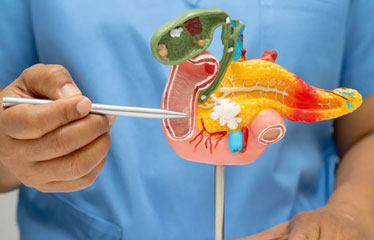
Pancreatic cancer is one of the most complex and aggressive forms of cancer, originating in the pancreas—a vital organ located behind the stomach that plays a crucial role in digestion and blood sugar regulation. Due to its deep anatomical location and the absence of early symptoms, pancreatic cancer is often diagnosed at an advanced stage. Successful treatment requires a high level of surgical expertise, meticulous planning, and a comprehensive, multidisciplinary approach.
Dr. AnadiPachaury is a highly experiencedsurgical oncologist specializing in pancreatic cancer surgery. With advanced training in complex abdominal oncology and years of experience in high-volume cancer centers, he provides expert surgical care aimed at complete tumor removal, complication minimization, and long-term disease control.
Understanding Pancreatic Cancer
Pancreatic cancer typically begins in the cells lining the ducts of the pancreas and is most commonly pancreatic ductal adenocarcinoma. Less common types include neuroendocrine tumors and cystic pancreatic tumors.
The pancreas has two main parts:
- • Head of the pancreas, located near the duodenum
- • Body and tail of the pancreas, extending toward the spleen
The location of the tumor plays a critical role in determining the surgical approach and overall treatment plan.
Causes and Risk Factors of Pancreatic Cancer
The exact cause of pancreatic cancer is not always known, but several risk factors increase the likelihood of developing the disease:
- • Smoking and tobacco use
- • Chronic pancreatitis
- • Diabetes, especially recent-onset diabetes
- • Obesity and unhealthy diet
- • Family history of pancreatic cancer
- • Genetic syndromes such as BRCA mutations and Lynch syndrome
- • Increasing age
Awareness of these risk factors can help in early suspicion and timely diagnosis.
Symptoms of Pancreatic Cancer
Pancreatic cancer often causes subtle or non-specific symptoms in its early stages. As the disease progresses, patients may experience:
- • Persistent abdominal or back pain
- • Jaundice (yellowing of the skin and eyes)
- • Dark urine and pale stools
- • Loss of appetite
- • Unexplained weight loss
- • Fatigue and weakness
- • Nausea or digestive difficulties
Because these symptoms can mimic benign conditions, early consultation with a pancreatic cancer specialist is essential.
Diagnosis and Preoperative Evaluation
Accurate diagnosis and staging are vital to determine whether pancreatic cancer is surgically resectable. Dr. AnadiPachaury emphasizes thorough preoperative assessment using advanced diagnostic tools, including:
- • Blood tests and tumor markers (CA 19-9)
- • High-resolution CT scans and MRI
- • Endoscopic ultrasound (EUS)
- • PET scans in selected cases
- • Biopsy when required
These investigations help evaluate tumor size, vascular involvement, lymph node spread, and overall operability.
Surgical Treatment for Pancreatic Cancer
Surgery offers the best chance of long-term survival for patients with localized pancreatic cancer. However, pancreatic surgery is among the most technically demanding procedures in oncology.
Whipple Procedure (Pancreaticoduodenectomy)
For tumors located in the head of the pancreas, Dr. AnadiPachaury performs the Whipple operation, one of the most complex abdominal surgeries. This procedure involves removal of:
- • The head of the pancreas
- • Part of the stomach
- • Duodenum
- • Common bile duct
- • Regional lymph nodes
After tumor removal, careful reconstruction is performed to restore digestive continuity. Precision is critical to minimize complications and ensure optimal outcomes.
Distal Pancreatectomy
Tumors located in the body or tail of the pancreas are treated with a distal pancreatectomy, which involves removal of the affected portion of the pancreas, often along with the spleen. This approach is tailored based on tumor characteristics and patient condition.
Total Pancreatectomy
In rare cases where the tumor involves the entire pancreas, a total pancreatectomy may be required. While this procedure results in complete loss of pancreatic function, Dr. Pachaury ensures patients receive comprehensive postoperative care and long-term management for diabetes and digestive support.
Advanced Surgical Techniques and Precision
Pancreatic cancer surgery involves operating near major blood vessels and critical organs. Dr. Pachaury uses advanced surgical techniques to enhance safety and precision, including:
- • Detailed imaging-guided surgical planning
- • Careful vascular dissection and control
- • Meticulous lymph node clearance
- • Techniques to reduce blood loss
- • Enhanced postoperative recovery protocols
His expertise ensures that surgeries are performed with the highest level of accuracy and care.
Role of Chemotherapy and Radiation Therapy
In addition to surgery, other treatments may be required depending on the stage of the cancer:
- • Neoadjuvant chemotherapy to shrink tumors before surgery
- • Adjuvant chemotherapy to reduce recurrence risk after surgery
- • Radiation therapy in select cases
Dr. Pachaury works closely with medical and radiation oncologists to provide a coordinated, multidisciplinary treatment plan.
Recovery and Postoperative Care
Recovery after pancreatic cancer surgery requires careful monitoring and supportive care. Postoperative management includes:
- • Pain control and infection prevention
- • Monitoring digestive function
- • Nutritional counseling and enzyme supplementation
- • Blood sugar management when required
- • Gradual return to daily activities
Regular follow-up visits and imaging are essential to monitor recovery and detect any recurrence early.
Importance of Early Detection and Expert Care
Early diagnosis significantly improves the chances of successful treatment for pancreatic cancer. Individuals with risk factors or persistent symptoms should seek expert evaluation without delay. Timely referral to an experienced pancreatic cancer surgeon can make curative surgery possible.
Why Choose Dr. Anadi Pachaury for Pancreatic Cancer Surgery in Shalimar Bagh
Patients seeking pancreatic cancer surgery in Shalimar Bagh and Delhi NCR benefit from Dr. Anadi Pachaury’s:
- • Extensive experience in complex pancreatic and abdominal oncology surgeries
- • Expertise in the Whipple procedure and advanced pancreatic resections
- • Personalized, patient-centered treatment approach
- • Multidisciplinary collaboration for comprehensive care
- • Commitment to improving survival and quality of life
His focus on precision, safety, and compassionate care provides patients with confidence and hope throughout their treatment journey.
Conclusion
Pancreatic cancer is a challenging disease that demands expert surgical skill, advanced planning, and comprehensive postoperative care. With modern diagnostic tools and refined surgical techniques, many patients can achieve meaningful long-term outcomes. Under the expert care of Dr. Anadi Pachaury, patients receive advanced pancreatic cancer surgery tailored to their individual needs, offering the best possible chance for recovery and renewed quality of life.
If you or a loved one is experiencing symptoms suggestive of pancreatic cancer or has been diagnosed with the disease, early consultation with a specialized pancreatic cancer surgeon is essential.