
Liver Cancer
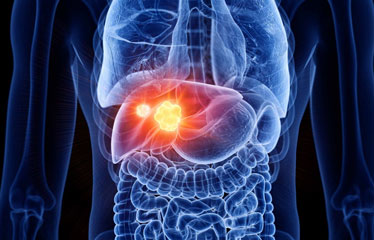
Liver Cancer
Liver cancer is a serious and potentially life-threatening condition that arises when abnormal cells grow uncontrollably within the liver. The liver is a vital organ responsible for detoxification, metabolism, digestion, and blood clotting. Because of its essential functions, treating liver cancer requires a high level of surgical precision and expertise to remove the tumor while preserving healthy liver tissue.
Dr. AnadiPachaury is a highly experienced surgical oncologist specializing in liver cancer surgery and hepatectomy. With extensive training and experience in advanced abdominal and hepatobiliary oncology, he offers state-of-the-art surgical care for patients diagnosed with liver cancer, focusing on long-term disease control and improved quality of life.
Understanding Liver Cancer
Liver cancer can be classified into two main types:
Primary Liver Cancer
Primary liver cancer originates in the liver itself. The most common form is hepatocellular carcinoma (HCC), which develops from liver cells (hepatocytes). Other types include cholangiocarcinoma (bile duct cancer within the liver) and rare tumors such as angiosarcoma.
Secondary (Metastatic) Liver Cancer
Secondary liver cancer occurs when cancer spreads to the liver from other organs such as the colon, stomach, pancreas, or breast. Surgical management in such cases depends on the extent of disease and overall patient health.
Causes and Risk Factors of Liver Cancer
Several factors increase the risk of developing liver cancer, including:
- • Chronic hepatitis B or hepatitis C infection
- • Liver cirrhosis due to alcohol abuse or fatty liver disease
- • Non-alcoholic fatty liver disease (NAFLD)
- • Exposure to toxins such as aflatoxins
- • Diabetes and obesity
- • Genetic liver disorders
- • Long-term smoking
Understanding these risk factors allows for early surveillance and timely intervention, especially in high-risk individuals.
Symptoms of Liver Cancer
Liver cancer often remains silent in its early stages, making early detection challenging. As the disease progresses, symptoms may include:
- • Persistent pain or discomfort in the upper right abdomen
- • Unexplained weight loss
- • Loss of appetite
- • Fatigue and weakness
- • Jaundice (yellowing of skin and eyes)
- • Abdominal swelling or fluid accumulation (ascites)
- • Nausea or vomiting
If these symptoms persist, prompt evaluation by a liver cancer specialist is essential.
Diagnosis and Preoperative Planning
Accurate diagnosis and staging are critical for successful liver cancer treatment. Dr. AnadiPachaury emphasizes meticulous preoperative planning, using advanced diagnostic tools to determine the most appropriate surgical approach.
Diagnostic evaluation may include:
- • Blood tests, including liver function tests and tumor markers (AFP)
- • High-resolution imaging such as CT scans and MRI to map tumor size and location
- • Liver biopsy, when required
- • Assessment of liver reserve, especially in patients with cirrhosis
These investigations help determine whether the tumor is resectable and how much liver tissue can be safely removed.
Liver Cancer Surgery (Hepatectomy)
Surgery remains the most effective curative treatment for liver cancer in suitable candidates. Liver resection, also known as hepatectomy, involves removing the cancerous portion of the liver while preserving sufficient healthy tissue to maintain liver function.
Types of Liver Resection
- • Partial hepatectomy – removal of a segment or lobe of the liver
- • Major hepatectomy – removal of larger portions of the liver
- • Extended hepatectomy – removal of multiple liver segments for advanced tumors
Dr. Pachaury carefully tailors the surgical plan to each patient’s condition, ensuring optimal balance between tumor clearance and liver preservation.
Advanced Surgical Techniques and Precision
Liver surgery is one of the most complex procedures in surgical oncology due to the liver’s rich blood supply and proximity to major blood vessels. Dr. AnadiPachaury employs advanced surgical techniques to enhance safety and outcomes, including:
- • Image-guided surgical planning using CT and MRI
- • Precise vascular control to minimize blood loss
- • Modern surgical instruments and energy devices
- • Meticulous dissection to achieve clear margins
- • Techniques to reduce postoperative complications
His goal is to ensure complete tumor removal while minimizing surgical trauma.
Minimally Invasive Liver Surgery
In selected cases, minimally invasive techniques such as laparoscopic liver resection may be used. These approaches offer several advantages, including:
- • Smaller incisions
- • Reduced postoperative pain
- • Faster recovery
- • Shorter hospital stay
The choice of approach depends on tumor characteristics and patient suitability, and Dr. Pachaury carefully evaluates each case to determine the safest option.
Role of Chemotherapy and Other Therapies
In addition to surgery, other treatments may be recommended based on the stage and biology of the cancer:
- • Adjuvant chemotherapy to reduce recurrence risk
- • Targeted therapy or immunotherapy in advanced cases
- • Ablative therapies such as radiofrequency ablation in selected patients
A multidisciplinary team approach ensures that each patient receives comprehensive and coordinated care.
Recovery and Postoperative Care
Recovery after liver cancer surgery requires careful monitoring and supportive care. Postoperative management includes:
- • Monitoring liver function and overall recovery
- • Pain management and infection prevention
- • Nutritional support for liver regeneration
- • Gradual return to physical activity
- • Regular follow-up imaging and blood tests
Dr. Pachaury provides continuous follow-up to ensure smooth recovery and early detection of any recurrence.
Importance of Early Detection
Early-stage liver cancer has significantly better treatment outcomes. Regular screening is strongly recommended for individuals with chronic liver disease or other high-risk conditions. Early diagnosis allows for curative surgery and improved long-term survival.
Why Choose Dr. AnadiPachaury for Liver Cancer Surgery in Shalimar Bagh?
Patients seeking liver cancer surgery in Shalimar Bagh and Delhi NCR benefit from Dr. Anadi Pachaury’s:
- • Extensive experience in hepatobiliary and abdominal cancer surgery
- • Expertise in complex liver resections and hepatectomy
- • Advanced imaging-based surgical planning
- • Personalized, patient-centered treatment approach
- • Commitment to safety, precision, and long-term outcomes
His focus on preserving liver function while achieving complete tumor removal makes him a trusted liver cancer specialist.
Conclusion
Liver cancer is a complex disease that demands expert evaluation, precise surgical planning, and comprehensive postoperative care. With advances in imaging and surgical techniques, many patients can achieve excellent outcomes through timely intervention. Under the expert care of Dr. Anadi Pachaury, patients receive advanced liver cancer surgery tailored to their individual needs, with a strong emphasis on safety, recovery, and long-term disease control.
If you or a loved one is facing liver cancer or has symptoms suggestive of liver disease, early consultation with a specialized liver cancer surgeon is crucial for the best possible outcome.