
Onco Reconstruction Surgeries
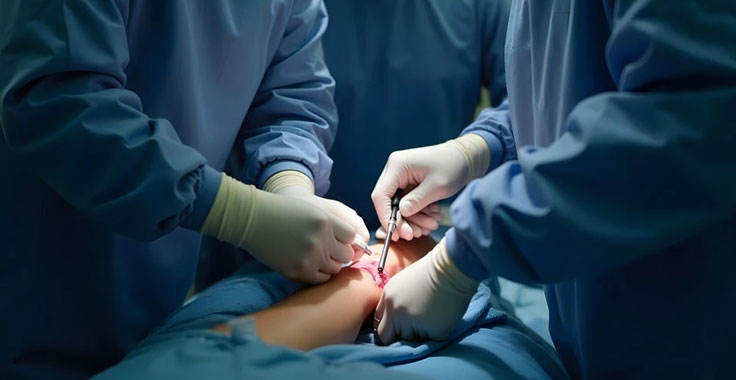
What are Onco Reconstruction Surgeries?
Onco reconstructive surgery refers to specialized surgical procedures performed after cancer removal to restore the body’s form, function, and appearance. When cancer surgery requires removal of large or complex tissue areas, reconstruction plays a vital role in helping patients regain confidence, mobility, and quality of life.
These procedures are carefully planned alongside cancer removal to ensure both complete tumor clearance and optimal functional preservation.
Why Is Reconstruction Important After Cancer Surgery?
Cancer surgeries, especially for advanced tumors, may involve removal of skin, muscle, bone, or internal organs. Reconstruction helps:
- Restore normal body structure
- Preserve vital functions such as continence, swallowing, or mobility
- Improve cosmetic outcomes
- Reduce psychological impact
- Enhance overall quality of life
Modern reconstructive techniques allow many patients to return to near-normal daily activities.
Types of Onco Reconstructive Procedures
Reconstruction depends on the cancer type, location, and extent of surgery. Common procedures include:
1. Soft Tissue Reconstruction
Rebuilding tissue using local flaps, regional flaps, or free flaps to cover surgical defects.
2. Abdominal Wall Reconstruction
Repairing large abdominal defects after tumor removal to maintain strength and prevent hernia formation.
3. Pelvic Reconstruction
Performed after complex pelvic surgeries to restore structural stability and function.
4. Gastrointestinal Reconstruction
Restoring continuity of the digestive tract after removal of part of the stomach, colon, or rectum.
5. Limb Reconstruction
Limb-sparing surgeries with bone grafts, implants, or prosthetics after tumor removal.
6. Stoma Formation and Reversal
Temporary or permanent stoma creation with guidance for optimal rehabilitation and recovery.
Advanced Techniques Used
Modern onco reconstructive surgery uses:
- Minimally invasive laparoscopic and robotic techniques
- Microvascular reconstructive procedures
- Biological meshes and advanced graft materials
- Nerve-preserving surgical approaches
- Function-preserving techniques
These innovations reduce complications, speed recovery, and improve long-term outcomes.
Function-Preserving Philosophy
A key focus of onco reconstructive surgery is maintaining:
- Nerve function
- Fertility (when possible)
- Urinary and bowel continence
- Sexual function
- Mobility and independence
Every surgical plan is personalized to balance cancer clearance with maximum function preservation.
Who Needs Onco Reconstructive Surgery?
Patients who may benefit include those undergoing surgery for:
- Advanced abdominal cancers
- Pelvic malignancies
- Colorectal cancer
- Ovarian and uterine cancers
- Soft tissue sarcomas
- Recurrent or locally advanced tumors
Reconstruction is especially important in cases involving large resections or multi-organ removal.
Recovery and Rehabilitation
Recovery after onco reconstructive surgery involves:
- Postoperative monitoring and wound care
- Pain management
- Nutritional support
- Physiotherapy and rehabilitation
- Stoma care education (if applicable)
- Regular follow-up and surveillance
A multidisciplinary team ensures comprehensive care throughout recovery.
Benefits of Onco Reconstructive Surgery
- Improved cosmetic results
- Better functional outcomes
- Reduced psychological distress
- Enhanced self-confidence
- Faster return to daily life
Consultation for Onco Reconstructive Surgery
If you are diagnosed with cancer and may require extensive surgical removal, early consultation with a specialized surgical oncologist is essential. A detailed evaluation helps determine the best reconstructive strategy tailored to your medical condition, lifestyle, and long-term goals.
Comprehensive planning, advanced surgical expertise, and compassionate care can significantly improve both survival and quality of life.