
Small Bowel Cancer
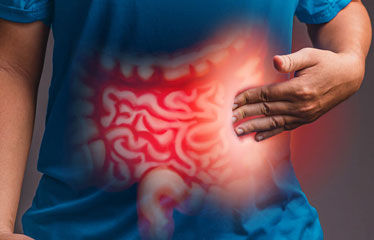
Small Bowel Cancer
Small bowel cancer, also known as small intestine cancer, is a relatively rare form of gastrointestinal malignancy that develops in the small intestine, the organ responsible for digesting food and absorbing nutrients. Although the small intestine makes up a large portion of the digestive tract, cancers in this region are uncommon and often difficult to diagnose early due to vague and nonspecific symptoms.
With advances in diagnostic techniques and surgical oncology, small bowel cancer can be effectively treated, especiallywhen identified at an early stage.Dr. Anadi Pachaury, a highly experienced Surgical Oncologist, specializes in the diagnosis and management of complex gastrointestinal cancers, including small bowel cancer, offering patients personalized, evidence-based, and compassionate care.
Causes and Risk Factors of Small Bowel Cancer
The exact cause of small bowel cancer is often unknown, but several genetic, medical, and lifestyle factors can increase the risk:
Genetic Conditions
- Familial Adenomatous Polyposis (FAP)
- Lynch syndrome (Hereditary Nonpolyposis Colorectal Cancer)
- Peutz-Jeghers syndrome
Chronic Medical Conditions
- Crohn’s disease
- Celiac disease
- Chronic intestinal inflammation
Other Risk Factors
- Increasing age
- Diet high in red or processed meats
- Smoking and alcohol consumption
- Male gender (slightly higher risk)
Dr. Anadi Pachaury emphasizes early screening and vigilance in patients with known genetic syndromes or long-standing intestinal diseases.
Symptoms of Small Bowel Cancer
One of the main challenges with small bowel cancer is that symptoms are often subtle or mistaken for common digestive problems. Common warning signs include:
- Persistent abdominal pain or cramping
- Unexplained weight loss
- Nausea and vomiting
- Loss of appetite
- Fatigue and weakness
- Anemia due to chronic blood loss
- Intestinal obstruction symptoms (bloating, vomiting, constipation)
Because symptoms often appear late, early consultation with a gastrointestinal cancer specialist is crucial when symptoms persist.
Diagnosis of Small Bowel Cancer
Accurate and timely diagnosis is essential for successful treatment. Evaluation may include:
1. Blood Tests
To detect anemia, nutritional deficiencies, or tumor markers.
2. Imaging Studies
- CT scan or CT enterography
- MRI enterography
- PET-CT in selected cases
3. Endoscopic Procedures
- Upper GI endoscopy
- Capsule endoscopy
- Double-balloon enteroscopy
4. Biopsy
Confirms cancer type and guides treatment planning.
Dr. Anadi Pachaury works closely with radiologists, gastroenterologists, and pathologists to ensure precise staging and diagnosis.
Treatment Options for Small Bowel Cancer
Treatment depends on the cancer type, stage, location, and patient health. A multidisciplinary approach is essential.
1. Surgery for Small Bowel Cancer
Surgery is the primary and most effective treatment for localized small bowel cancer. The goal is complete removal of the tumor along with surrounding healthy tissue and lymph nodes.
Surgical procedures may include:
- • Segmental small bowel resection
- • Duodenal resection
- • Lymph node dissection
- • Bypass procedures in advanced disease
Given the small intestine’s critical role in digestion and nutrient absorption, surgery must be performed with high precision.
Dr. AnadiPachaury specializes in complex gastrointestinal oncological surgeries, focusing on maximum tumor clearance while preserving bowel function.
2. Chemotherapy
Chemotherapy may be recommended:
- • After surgery (adjuvant therapy)
- • Before surgery (neoadjuvant therapy) in selected cases
- • For advanced or metastatic disease
It helps destroy microscopic cancer cells and reduce the risk of recurrence.
3. Targeted Therapy and Immunotherapy
In selected cases, especially for neuroendocrine tumors or GISTs, targeted therapies or immunotherapy may be used based on molecular profiling.
Minimally Invasive and Function-Preserving Surgery
Advances in surgical techniques now allow many small bowel cancers to be treated using minimally invasive laparoscopic or robotic surgery, offering benefits such as:
- • Smaller incisions
- • Reduced postoperative pain
- • Faster recovery
- • Shorter hospital stay
- • Better cosmetic outcomes
Dr. AnadiPachaury strongly believes in function-preserving surgery, ensuring patients maintain optimal digestion and quality of life after treatment.
Recovery and Post-Treatment Care
Recovery after small bowel cancer treatment varies depending on the extent of surgery and additional therapies.
Post-treatment care includes:
- • Pain management
- • Gradual dietary progression
- • Nutritional counseling
- • Management of digestion-related symptoms
- • Regular follow-up visits and imaging
Patients receiving chemotherapy may require several months of treatment, with close monitoring for side effects and response.
Supportive care plays a vital role in ensuring smooth recovery and long-term well-being.
Why Choose Dr. AnadiPachaury for Small Bowel Cancer Treatment?
Patients trust Dr. AnadiPachaury for small bowel cancer care due to his:
- • Over 20+ years of experience in surgical oncology
- • Expertise in gastrointestinal and abdominal cancers
- • Training from Tata Memorial Centre, Mumbai
- • Experience in managing advanced and rare cancers
- • Personalized, patient-centric treatment philosophy
- • Strong emphasis on function preservation and quality of life
He practices at a comprehensive cancer center equipped with advanced diagnostic and surgical facilities, ensuring international-standard care.
Importance of Early Detection and Follow-Up
Early detection significantly improves survival rates in small bowel cancer. Patients with genetic syndromes or chronic intestinal diseases should undergo regular surveillance.
Long-term follow-up after treatment is essential to:
- • Detect recurrence early
- • Manage nutritional issues
- • Monitor overall health
Dr. AnadiPachaury ensures continuous care throughout diagnosis, treatment, and recovery.
Consultation for Small Bowel Cancer Treatment
If you are experiencing persistent abdominal symptoms or have been diagnosed with small bowel cancer, timely expert consultation is crucial. With advanced surgical expertise, modern treatment options, and compassionate care, Dr. AnadiPachaury offers comprehensive and reliable treatment for small bowel cancer.
Early diagnosis, precise surgery, and personalized care can significantly improve outcomes and quality of life.