
(ICG) Guided Surgery
What is ICG Guided Surgery?
ICG (Indocyanine Green) Guided Surgery is an advanced imaging technique used during surgical procedures to improve precision and safety. A special fluorescent dye called Indocyanine Green is injected into the body, allowing surgeons to visualize blood flow, lymphatic pathways, and tumor boundaries in real time using specialized imaging systems.
This technology helps surgeons clearly distinguish healthy tissue from diseased tissue, ensuring more accurate tumor removal while preserving important structures. ICG-guided surgery is widely used in cancer surgeries, gastrointestinal procedures, hepatobiliary surgeries, colorectal surgery, and minimally invasive laparoscopic and robotic operations.
How Does ICG Guided Surgery Work?
During the procedure, a small amount of ICG dye is administered intravenously. The dye binds to proteins in the bloodstream and becomes visible under near-infrared light. Specialized surgical cameras detect the fluorescence and display enhanced images on the surgical monitor.
This real-time visualization helps surgeons:
- Identify tumor margins more accurately
- Assess blood supply to tissues and organs
- Detect lymph nodes and lymphatic drainage
- Ensure safe tissue removal and reconstruction
- Reduce surgical complications
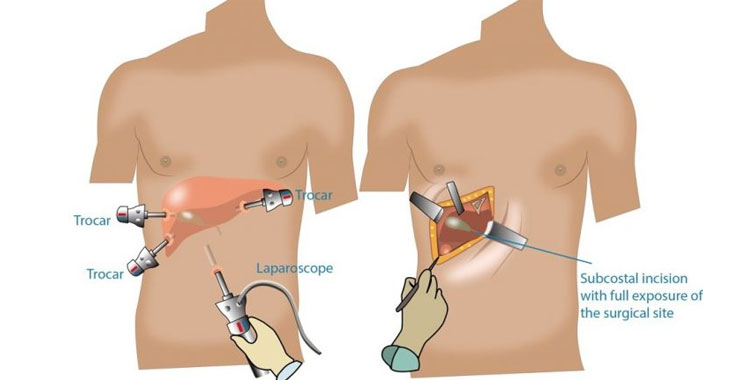
The process is safe, quick, and seamlessly integrated into minimally invasive surgical procedures.
Benefits of ICG Guided Surgery
ICG-guided technology offers several advantages compared to conventional surgery:
- Enhanced surgical precision and visualization
- Improved identification of cancerous tissue
- Reduced risk of complications
- Better assessment of blood flow and tissue viability
- Increased chances of function-preserving surgery
- Faster recovery and improved surgical outcomes
By improving intraoperative decision-making, ICG-guided surgery helps achieve safer and more effective procedures.
Conditions Treated Using ICG Guided Surgery
ICG technology is commonly used in:
- Colorectal and rectal cancer surgery
- Gastric and esophageal cancer procedures
- Liver and hepatobiliary surgeries
- Pancreatic surgery
- Gynecological oncology procedures
- Sentinel lymph node mapping in cancer treatment
- Advanced minimally invasive laparoscopic and robotic surgeries
It is especially valuable in complex oncological procedures where precision is critical.
Who is a Candidate for ICG Guided Surgery?
Patients undergoing minimally invasive or complex oncological procedures may benefit from ICG guidance. Suitability depends on:
- Type and stage of cancer
- Planned surgical procedure
- Overall health condition
- Previous treatments or surgeries
A detailed evaluation is conducted to determine whether ICG technology can improve surgical outcomes in each individual case.
Safety and Risks
ICG dye has been used safely in medical procedures for decades. Allergic reactions are rare, and the dye is rapidly cleared from the body through the liver. Patients with iodine allergies or certain medical conditions should inform their surgeon prior to surgery for proper evaluation and precautions.
Overall, ICG-guided surgery is considered a safe and highly effective adjunct to modern surgical techniques.
Advantages in Minimally Invasive & Robotic Surgery
When combined with laparoscopic and robotic surgery, ICG technology provides:
- Real-time enhanced visualization
- Greater surgical accuracy
- Reduced tissue damage
- Smaller incisions and less postoperative pain
- Faster return to daily activities
This integration represents a major advancement in precision cancer surgery and organ-preserving procedures.
Recovery After ICG Guided Surgery
Recovery depends on the type of surgery performed. However, patients often experience:
- Reduced postoperative complications
- Improved healing due to better blood flow assessment
- Shorter hospital stays
- Faster overall recovery
Patients receive personalized postoperative care, nutritional guidance, and regular follow-up to ensure optimal healing and long-term outcomes.
Why Choose Advanced ICG Guided Surgical Procedures?
- Enhanced visualization and surgical accuracy
- Modern technology combined with advanced surgical expertise
- Focus on function-preserving and minimally invasive approaches
- Improved safety and precision during complex cancer surgeries
- Patient-centered care with individualized treatment planning
Consultation for ICG Guided Surgery
If you are planning cancer surgery or a complex surgical procedure, advanced technologies like ICG-guided surgery may significantly improve outcomes. A detailed consultation includes thorough evaluation, imaging review, and personalized surgical planning to determine the most suitable approach for your condition.
Early consultation ensures accurate diagnosis, safer procedures, and the best possible surgical results.