
Stomach Cancer
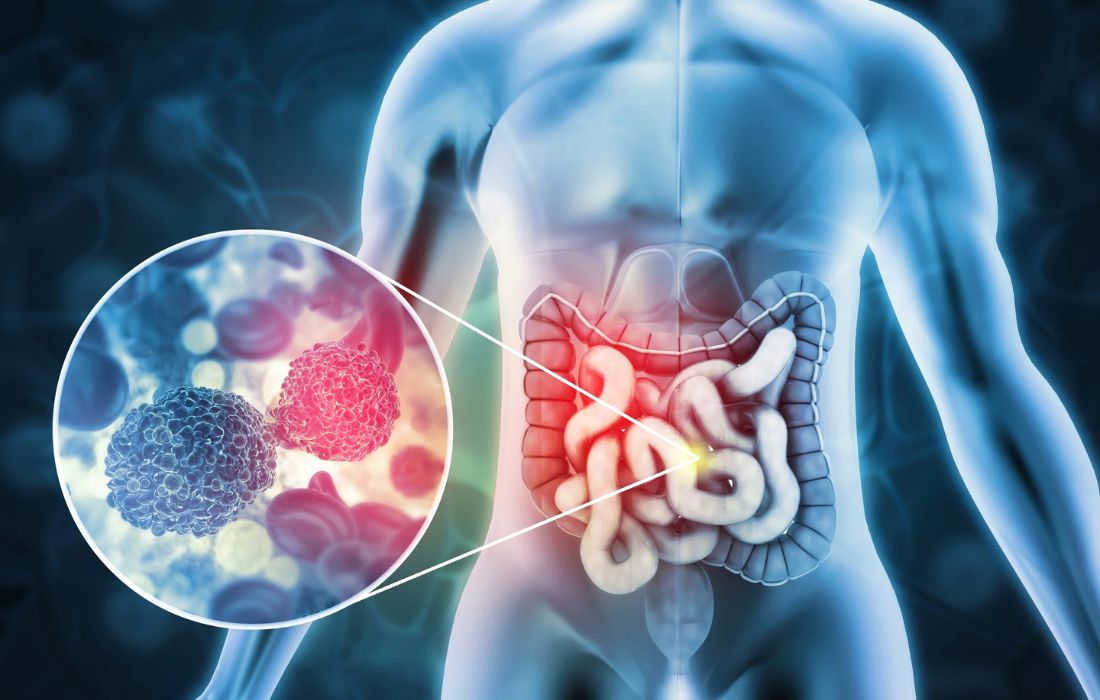
Stomach Cancer
Stomach cancer, also known as gastric cancer, is a serious malignancy that develops in the lining of the stomach. It is among the leading causes of cancer-related deaths worldwide, primarily due to its tendency to be diagnosed at advanced stages. Early detection and precise surgical intervention are crucial for improving survival rates and enhancing the quality of life for patients.As an experienced surgical oncologist, Dr. Anadi Pachaury specializes in advanced stomach cancer surgeries, offering tailored treatment plans to meet the specific needs of each patient. With extensive experience in minimally invasive, robotic-assisted, and open gastrectomy, he ensures optimal tumor clearance while minimizing postoperative complications. Patients seeking Stomach Cancer Surgery in Dwarka and Delhi NCR benefit from his meticulous surgical planning, state-of-the-art techniques, and compassionate care.
Understanding Stomach Cancer
Stomach cancer originates in the stomach lining and can affect any part of the stomach, including the cardia, body, or antrum. Over time, abnormal cells grow uncontrollably, forming malignant tumors.
The disease is typically classified into several types:
- Adenocarcinoma – the most common form, arising from the glandular cells of the stomach lining
- Lymphoma – cancer of the lymphatic tissue within the stomach
- Gastrointestinal stromal tumors (GISTs) – tumors originating from the connective tissue of the stomach wall
- Carcinoid tumors – slow-growing tumors originating from hormone-producing cells
Understanding the type and stage of stomach cancer is essential for selecting the most effective treatment strategy.
Risk Factors for Stomach Cancer
Several factors can increase the risk of developing stomach cancer, including:
- Age – most commonly affects individuals over 50
- Helicobacter pylori infection – chronic infection can lead to inflammation and precancerous changes
- Family history – genetic predisposition increases risk
- Dietary factors – high intake of smoked, salted, or processed foods
- Smoking and alcohol consumption
- Obesity and chronic gastritis
- Genetic mutations such as CDH1
Awareness of these risk factors is essential for early screening, preventive strategies, and timely intervention.
Symptoms of Stomach Cancer
Early-stage stomach cancer often presents with subtle or nonspecific symptoms, making early detection challenging. Common signs and symptoms include:
- Persistent abdominal pain or discomfort
- Indigestion or bloating after meals
- Nausea or vomiting
- Unexplained weight loss
- Loss of appetite
- Blood in vomit or stool (melena)
- Fatigue and weakness due to anemia
Patients experiencing these symptoms are advised to consult a specialist promptly. Early diagnosis significantly improves treatment outcomes and survival rates.
Importance of Screening and Diagnosis
Early detection of stomach cancer plays a critical role in successful treatment. Comprehensive diagnostic evaluation includes:
- Upper gastrointestinal endoscopy – allows visualization of the stomach lining and biopsy
- Endoscopic ultrasound (EUS) – assesses tumor depth and lymph node involvement
- CT scan and MRI – evaluates disease spread to nearby organs
- PET-CT – detects distant metastasis
- Blood tests including tumor markers (CEA, CA 72-4)
Accurate staging and diagnosis help determine the extent of surgical intervention required and facilitate individualized treatment planning.
Surgical Treatment for Stomach Cancer
Surgery is the mainstay of treatment for stomach cancer, particularly for localized and resectable tumors. Dr. Anadi Pachaury specializes in gastrectomy procedures, ensuring complete removal of the tumor with clear margins.
Types of Gastrectomy
- Partial gastrectomy – removal of the tumor and a portion of the stomach, preserving as much healthy tissue as possible
- Total gastrectomy – removal of the entire stomach for extensive or multifocal tumors
Both procedures often include lymphadenectomy, the removal of regional lymph nodes to reduce the risk of recurrence.
Minimally Invasive and Robotic-Assisted Surgery
Whenever feasible, minimally invasive techniques such as laparoscopic and robotic-assisted gastrectomy are employed. These approaches provide numerous benefits:
- Smaller incisions and reduced scarring
- Reduced blood loss
- Lower risk of infection
- Shorter hospital stays
- Faster postoperative recovery
- Enhanced precision in tumor removal and lymph node dissection
Dr. Pachaury utilizes advanced imaging and robotic technology to ensure precision, safety, and optimal outcomes during these procedures.
Advanced Surgery for Complex Cases
In advanced or locally invasive stomach cancer, surgery may involve:
- Resection of adjacent organs affected by tumor spread (e.g., pancreas, spleen, liver)
- Multi-visceral resections for comprehensive tumor clearance
- Reconstruction of the gastrointestinal tract to restore digestive continuity
Dr. Pachaury approaches complex surgeries with meticulous planning, aiming to achieve complete tumor removal while preserving patient function and quality of life.
Multidisciplinary Approach to Stomach Cancer
Effective treatment of stomach cancer requires a multidisciplinary team approach. Dr. Pachaury collaborates with:
- Medical oncologists for chemotherapy planning
- Radiation oncologists for targeted radiotherapy when indicated
- Nutritionists for dietary management before and after surgery
- Rehabilitation specialists for postoperative recovery and functional restoration
This integrated approach ensures comprehensive care and optimal long-term outcomes.
Role of Chemotherapy and Radiation
Chemotherapy and radiation therapy may be incorporated at various stages:
- Neoadjuvant therapy – administered before surgery to shrink tumors and facilitate resection
- Adjuvant therapy – given after surgery to eliminate residual cancer cells and reduce recurrence risk
- Targeted therapy – for patients with specific molecular markers
Dr. Pachaury ensures that each patient receives personalized therapy, balancing effectiveness with minimal side effects.
Postoperative Care and Recovery
Recovery after stomach cancer surgery is a critical component of treatment. Dr. Pachaury emphasizes:
- Effective pain management and early mobilization
- Nutritional support to adapt to reduced stomach capacity
- Monitoring for potential complications such as infection or anastomotic leaks
- Psychological support and counseling
- Structured rehabilitation to improve overall well-being
Minimally invasive techniques and careful postoperative care ensure faster recovery and better quality of life for patients.
Long-Term Follow-Up and Surveillance
Stomach cancer requires continuous monitoring due to the risk of recurrence. Long-term follow-up includes:
- Regular physical and endoscopic examinations
- Periodic imaging (CT or PET-CT scans)
- Blood tests and tumor marker monitoring
- Guidance on diet, lifestyle, and symptom management
Dr. Pachaury designs personalized follow-up plans to ensure timely detection of recurrence and ongoing patient support.
Why Choose Dr. Anadi Pachaury for Stomach Cancer Surgery in Dwarka?
Patients select Dr. Anadi Pachaury for his expertise, precision, and compassionate care. Key reasons include:
- Extensive experience in stomach and gastrointestinal cancer surgeries
- Expertise in gastrectomy, lymphadenectomy, and multi-visceral resections
- Mastery of laparoscopic and robotic-assisted surgery for enhanced precision
- Commitment to complete tumor removal with functional preservation
- Personalized, patient-centric care with multidisciplinary coordination
- Advanced preoperative planning and postoperative support
Dr. Pachaury ensures that each patient receives a comprehensive and individualized treatment plan to achieve the best oncological and functional outcomes.
Conclusion
Stomach cancer is a complex and potentially life-threatening condition that requires timely diagnosis, expert surgical intervention, and a comprehensive care approach. Surgical management, particularly gastrectomy with lymphadenectomy, forms the cornerstone of effective treatment.
Under the care of Dr. Anadi Pachaury, patients benefit from advanced Stomach Cancer Surgery in Dwarka, performed with precision, advanced technology, and compassionate care. His focus on complete tumor removal, minimally invasive techniques, and postoperative recovery ensures improved survival rates and quality of life for his patients.
Early detection, meticulous surgical planning, and integrated care are key to successfully managing stomach cancer. With Dr. Pachaury’s expertise, patients receive world-class treatment that restores health, confidence, and hope for the future.