
PIPAC
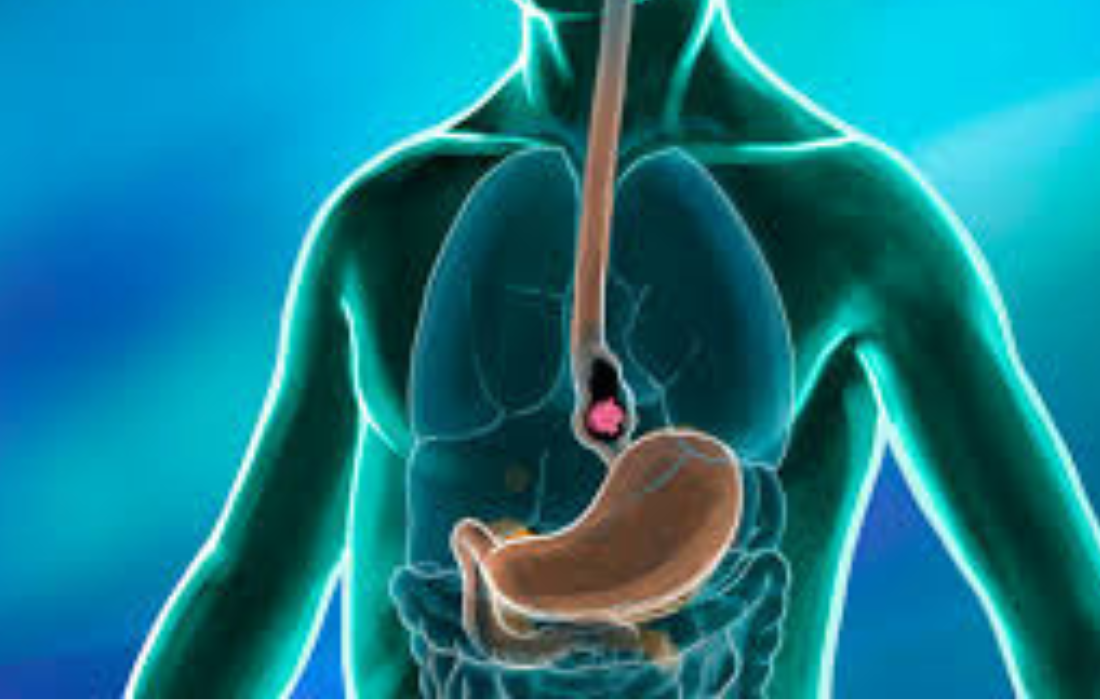
PIPAC
Pressurized Intraperitoneal Aerosol Chemotherapy (PIPAC) is an innovative treatment designed for patients with peritoneal carcinomatosis, a condition where cancer spreads throughout the abdominal cavity. Traditional chemotherapy often struggles to reach tumors effectively in the peritoneum, limiting its impact. PIPAC addresses this challenge by delivering chemotherapy directly into the abdominal cavity in aerosolized form under pressure, ensuring maximum penetration of tumor tissues while minimizing systemic toxicity.
As a leading surgical oncologist, Dr. Anadi Pachaury specializes in PIPAC, providing advanced and personalized care to patients with advanced or recurrent abdominal cancers. Patients seeking PIPAC Surgery in Dwarka and Delhi NCR benefit from his expertise in minimally invasive techniques, precise chemotherapy delivery, and comprehensive post-procedure support.
Understanding Peritoneal Carcinomatosis
Peritoneal carcinomatosis occurs when cancer cells from primary tumors, such as those in the stomach, colon, ovaries, pancreas, or appendix, spread to the peritoneum—the thin membrane lining the abdominal cavity. These tumors are often diffuse and challenging to treat, making conventional therapies less effective.
PIPAC is particularly suitable for patients with:
- Advanced gastric, colorectal, or pancreatic cancers
- Ovarian cancer with peritoneal spread
- Recurrent abdominal cancers after prior treatments
- Patients not eligible for extensive cytoreductive surgery
By delivering chemotherapy directly into the peritoneal cavity, PIPAC allows high local drug concentration with minimal systemic exposure, significantly reducing the side effects commonly associated with intravenous chemotherapy.
How PIPAC Works
PIPAC is performed using a minimally invasive laparoscopic approach. The procedure includes the following steps:
- Laparoscopic Access – Small incisions are made to insert the laparoscope and surgical instruments.
- Peritoneal Assessment – The surgeon evaluates disease extent and may take biopsies for accurate diagnosis.
- Aerosol Chemotherapy Delivery – Chemotherapy drugs are aerosolized and sprayed inside the abdominal cavity.
- Pressure Enhancement – Controlled pressure ensures uniform distribution and deeper tumor penetration.
- Completion and Recovery – The aerosol is evacuated, instruments are removed, and incisions are closed.
The pressurized aerosol allows chemotherapy to reach peritoneal tumors more effectively than conventional intraperitoneal or intravenous methods, improving treatment efficacy.
Benefits of PIPAC
PIPAC offers several important advantages for patients with peritoneal carcinomatosis:
- Targeted Therapy – Direct drug delivery to tumor sites increases effectiveness.
- Minimally Invasive – Laparoscopic technique reduces pain, trauma, and recovery time.
- Enhanced Penetration – Pressurized aerosol allows deeper absorption into tumor nodules.
- Reduced Side Effects – Lower systemic exposure minimizes chemotherapy-related complications.
- Repeatable Treatment – PIPAC can be safely administered multiple times if required.
- Combination with Other Therapies – Can be combined with systemic chemotherapy or surgery when appropriate.
These benefits make PIPAC an excellent option for patients with advanced or recurrent peritoneal cancers who have limited treatment alternatives.
Indications for PIPAC
PIPAC is indicated for patients with peritoneal metastases from various primary cancers, including:
- Ovarian cancer – Especially recurrent or chemo-resistant disease
- Colorectal cancer – With unresectable peritoneal spread
- Gastric cancer – Advanced disease with peritoneal involvement
- Appendiceal cancer – Mucinous adenocarcinoma with peritoneal dissemination
- Pancreatic cancer – Selected cases with peritoneal metastasis
Dr. Anadi Pachauryevaluates each patient individually to determine suitability for PIPAC, considering tumor type, disease stage, previous treatments, and overall health
Preoperative Assessment
Prior to PIPAC, a comprehensive evaluation is essential to ensure safety and effectiveness. Dr. Anadi Pachaury conducts:
- Detailed medical and oncological history review
- Imaging studies such as CT scans, MRI, or PET-CT to assess disease spread
- Laboratory tests, including blood counts, liver, and kidney function tests
- Assessment of previous surgeries or treatments
- Counseling regarding the procedure, potential benefits, and expected recovery
This careful preparation ensures that PIPAC is tailored to each patient’s condition and optimizes treatment outcomes.
The PIPAC Procedure
PIPAC is performed under general anesthesia and typically takes 60–90 minutes. The key aspects include:
- Precision drug delivery – The chemotherapy agent is aerosolized using specialized equipment for uniform distribution.
- Controlled pressure – Ensures deeper penetration into tumor nodules, increasing effectiveness.
- Minimally invasive access – Small laparoscopic incisions reduce pain and allow faster recovery.
- Repeatability – PIPAC can be administered at regular intervals to enhance cumulative effect.
Patients usually experience minimal discomfort, and most can resume light activities shortly after the procedure.
Postoperative Care
Recovery after PIPAC is generally quick due to the minimally invasive approach. Dr. Pachaury emphasizes:
- Monitoring for immediate complications such as infection or bleeding
- Pain management and supportive care
- Nutritional support to optimize strength and recovery
- Guidance on activity levels and return to daily life
- Scheduling follow-up PIPAC sessions if indicated
Proper post-procedure care is essential to maximize treatment benefits and ensure patient comfort.
Integration with Multidisciplinary Care
PIPAC is most effective when integrated into a comprehensive multidisciplinary cancer care plan. Dr. Pachaury collaborates with:
- Medical oncologists – to combine PIPAC with systemic chemotherapy
- Radiologists and imaging specialists – for pre- and post-procedure assessment
- Nutritionists – to support dietary needs and maintain optimal health
- Rehabilitation specialists – to improve functional recovery
This team-based approach ensures complete care for both cancer control and long-term quality of life.
Advantages Over Traditional Chemotherapy
Compared to intravenous or conventional intraperitoneal chemotherapy, PIPAC offers:
- Higher local drug concentration at tumor sites
- Enhanced tumor penetration due to pressurization
- Lower systemic toxicity with fewer side effects
- Minimally invasive administration with faster recovery
- Flexibility for repeated treatments for ongoing disease control
These advantages make PIPAC a valuable option for patients with advanced peritoneal metastases who have limited conventional treatment options.
Why Choose Dr. Anadi Pachaury for PIPAC in Dwarka
- Extensive experience in advanced surgical oncology and peritoneal malignancies
- Expertise in minimally invasive laparoscopic and robotic-assisted PIPAC procedures
- Personalized treatment planning for optimal tumor control
- Multidisciplinary coordination with oncologists, nutritionists, and rehabilitation specialists
- Strong focus on patient comfort, safety, and quality of life
- Use of latest technology and precision surgical instruments
Under his guidance, patients receive world-class care, compassionate support, and advanced treatment options tailored to their unique medical needs.
Conclusion
Pressurized Intraperitoneal Aerosol Chemotherapy (PIPAC) represents a breakthrough in treating peritoneal carcinomatosis, allowing precise, targeted chemotherapy delivery directly to tumor sites. Its minimally invasive nature, enhanced drug penetration, and reduced systemic side effects make it an effective option for advanced or recurrent abdominal cancers.
Under the expert care of Dr. Anadi Pachaury, patients receive PIPAC Surgery in Dwarka with meticulous preoperative planning, precise execution, and comprehensive postoperative support. This advanced treatment offers hope for extended survival, improved quality of life, and renewed confidence for patients battling peritoneal malignancies.
Early consultation, accurate assessment, and integration with a multidisciplinary care plan are key to achieving the best outcomes with PIPAC. With Dr. Pachaury’s expertise, patients can access world-class, innovative cancer care that addresses both disease management and overall well-being.