
Breast Cancer

Breast Cancer

Breast cancer is one of the most common cancers affecting women worldwide, although it can also occur in men. It develops when abnormal cells in the breast grow uncontrollably, forming a tumor that can invade surrounding tissues and spread to other parts of the body if not treated in time. Early detection, accurate diagnosis, and expert surgical management play a crucial role in improving survival rates and maintaining quality of life.

Dr. AnadiPachaury is a highly experienced surgical oncologist specializing in breast cancer surgery. With a patient-centric approach and advanced surgical expertise, he offers comprehensive and individualized treatment plans designed to ensure complete cancer removal while preserving form, function, and emotional well-being.

Get In Touch

Have questions or need more information? Get in touch with us today—our team is here to assist you.

Understanding Breast Cancer


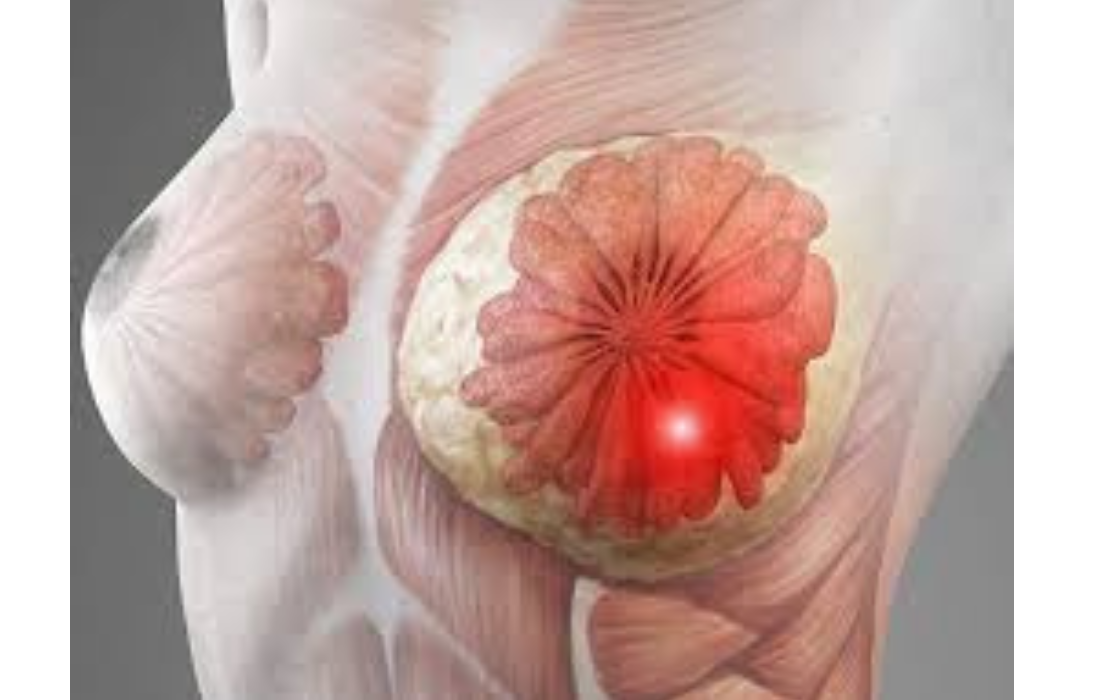
Breast cancer can originate in different parts of the breast, most commonly in the milk ducts (ductal carcinoma) or milk-producing lobules (lobular carcinoma). Over time, cancer cells may spread to nearby lymph nodes or distant organs if left untreated.

Breast cancer is classified based on factors such as tumor size, lymph node involvement, hormone receptor status, and genetic markers. These factors help guide treatment decisions and determine the most effective surgical and medical approach for each patient.

Causes and Risk Factors of Breast Cancer


The exact cause of breast cancer is not always known, but several risk factors can increase the likelihood of developing the disease:

  • Increasing age
  • Family history of breast or ovarian cancer
  • Genetic mutations such as BRCA1 and BRCA2
  • Hormonal factors, including early menstruation or late menopause
  • Obesity and lack of physical activity
  • Alcohol consumption and smoking
  • Prolonged hormone replacement therapy

Understanding these risk factors allows for early screening and timely diagnosis, especially in high-risk individuals.

Symptoms of Breast Cancer


Early-stage breast cancer may not cause noticeable symptoms, which is why routine screening is essential. When symptoms do occur, they may include:

  • A lump or thickening in the breast or underarm
  • Changes in breast size or shape
  • Skin dimpling or redness
  • Nipple inversion or discharge
  • Persistent breast pain
  • Swelling in the armpit

Any new or unusual breast changes should be evaluated promptly by a breast cancer specialist.

Diagnosis and Preoperative Evaluation


Accurate diagnosis is the foundation of effective breast cancer treatment. Dr. Anadi Pachaury emphasizes a thorough diagnostic and preoperative evaluation to ensure the best surgical outcomes.

Diagnostic tests may include:

  • Clinical breast examination
  • Mammography and breast ultrasound
  • Breast MRI for detailed imaging
  • Core needle biopsy or surgical biopsy
  • Hormone receptor and genetic testing

These assessments help determine the stage of cancer and guide the most appropriate surgical and medical treatment plan.

Surgical Treatment for Breast Cancer


Surgery is a cornerstone of breast cancer treatment. The choice of procedure depends on tumor size, location, stage, and patient preference. Dr. Pachaury focuses on complete tumor removal while preserving healthy tissue whenever possible.

Breast-Conserving Surgery (Lumpectomy)


Lumpectomy, also known as breast-conserving surgery, involves removing the cancerous tumor along with a margin of surrounding healthy tissue. This option is often suitable for early-stage breast cancer and allows patients to retain most of their breast.
Lumpectomy is usually followed by radiation therapy to reduce the risk of recurrence. Dr. Pachaury meticulously plans each procedure to achieve clear margins while maintaining optimal cosmetic results.

Mastectomy


For larger tumors, multiple tumors, or advanced breast cancer, mastectomy may be required. This procedure involves removing the entire breast to ensure complete cancer removal.

Types of mastectomy include:

  • Simple (total) mastectomy
  • Modified radical mastectomy
  • Skin-sparing or nipple-sparing mastectomy (in selected cases)

Dr. Pachaury carefully evaluates each patient to determine the most suitable surgical approach.

Lymph Node Evaluation and Surgery


Breast cancer often spreads to lymph nodes in the axilla (underarm). Accurate lymph node evaluation is essential for staging and treatment planning.

  • Sentinel lymph node biopsy is performed to identify and remove the first lymph node(s) likely to be affected.
  • Axillary lymph node dissection may be required if cancer has spread to multiple nodes.

Dr. Pachaury uses precise techniques to minimize complications such as lymphedema while ensuring effective cancer control.

Breast Reconstruction Surgery


For patients undergoing mastectomy, breast reconstruction can play a vital role in restoring body image and confidence. Dr. Anadi Pachaury collaborates closely with experienced plastic and reconstructive surgeons to offer:

  • Immediate breast reconstruction
  • Delayed breast reconstruction
  • Implant-based or autologous (tissue-based) reconstruction

The goal is to achieve optimal cosmetic and functional outcomes while prioritizing patient safety.

Role of Chemotherapy, Radiation, and Hormone Therapy


In addition to surgery, breast cancer treatment often involves other therapies depending on cancer stage and biology:

  • Chemotherapy to destroy cancer cells and reduce recurrence risk
  • Radiation therapy following breast-conserving surgery or in selected mastectomy cases
  • Hormone therapy for hormone-receptor-positive cancers
  • Targeted therapy for specific cancer subtypes

Dr. Pachaury works within a multidisciplinary team to ensure coordinated and personalized treatment.

Recovery and Postoperative Care


Recovery after breast cancer surgery varies based on the type of procedure performed. Postoperative care includes:

  • Pain management and wound care
  • Early mobilization and physiotherapy
  • Lymphedema prevention strategies
  • Emotional and psychological support
  • Regular follow-up visits and imaging

Dr. Pachaury provides continuous support throughout the recovery process, helping patients regain strength and confidence.

Importance of Early Detection and Screening


Early detection significantly improves breast cancer survival rates. Regular screening through mammography and clinical examinations is strongly recommended, especially for women over 40 or those with risk factors.
Early-stage breast cancer is highly treatable, often with less extensive surgery and better cosmetic outcomes.

Why Choose Dr. Anadi Pachaury for Breast Cancer Surgery in Shalimar Bagh?


Patients seeking breast cancer surgery in Shalimar Bagh and Delhi NCR benefit from Dr. Anadi Pachaury’s:

  • Extensive experience in surgical oncology
  • Expertise in breast-conserving and advanced breast cancer surgeries
  • Personalized and compassionate treatment approach
  • Collaboration with reconstruction and oncology specialists
  • Commitment to improving survival and quality of life

His patient-focused care ensures that each individual receives the most appropriate and advanced treatment available.

Conclusion


Breast cancer is a life-changing diagnosis, but with early detection, expert surgical care, and comprehensive treatment, patients can achieve excellent outcomes. Surgery remains a key component of breast cancer management, and choosing an experienced specialist is critical for both cancer control and quality of life.

Under the care of Dr. Anadi Pachaury, patients receive advanced breast cancer surgery combined with compassionate, individualized care. His commitment to surgical excellence and holistic recovery provides patients with confidence, hope, and the best possible path forward.

If you or a loved one has noticed symptoms of breast cancer or has been diagnosed with the disease, early consultation with a specialized breast cancer surgeon is essential.