
Advanced Laparoscopic Procedure
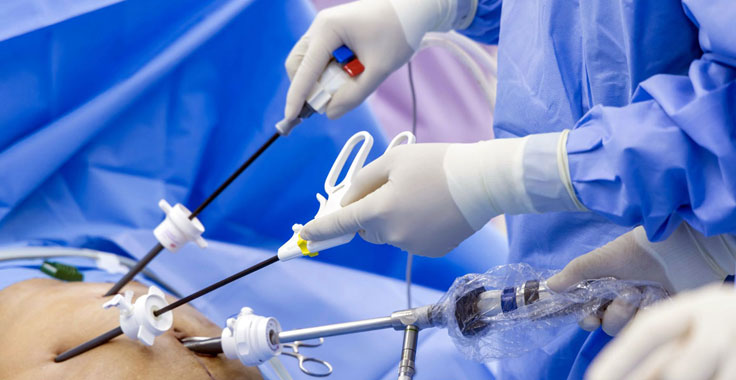
Advanced Laparoscopic Procedure
Advanced laparoscopic surgery, also known as minimally invasive surgery, is a modern surgical technique that allows complex procedures to be performed through small incisions using specialized instruments and a high-definition camera. This approach offers precision, faster recovery, and reduced post-operative discomfort compared to traditional open surgery.
With significant advancements in surgical technology, many complex abdominal and pelvic cancer surgeries can now be safely performed using advanced laparoscopic techniques while maintaining excellent oncological outcomes.
What is Advanced Laparoscopic Surgery?
In laparoscopic surgery, a thin telescope-like instrument (laparoscope) equipped with a camera is inserted through small incisions. The surgeon operates using long, specialized instruments while viewing the surgical area on a magnified high-definition screen.
Benefits of Advanced Laparoscopic Procedures
Patients undergoing laparoscopic surgery may experience:
- Smaller incisions
- Reduced blood loss
- Less post-operative pain
- Faster recovery and early mobilization
- Shorter hospital stay
- Lower risk of infection
- Better cosmetic outcomes
- Early return to daily activities
Most importantly, advanced laparoscopic techniques maintain the same cancer clearance standards as open surgery when performed by experienced specialists.
Conditions Treated with Advanced Laparoscopic Surgery
Advanced laparoscopic procedures are commonly used for:
- Colorectal cancers
- Stomach cancer
- Liver and gallbladder tumors
- Pancreatic tumors (selected cases)
- Ovarian and uterine cancers
- Peritoneal surface malignancies
- Complex abdominal tumors
The suitability of laparoscopic surgery depends on tumor stage, size, location, and overall patient health.
Advanced Laparoscopic Cancer Procedures Include
- Laparoscopic colectomy
- Laparoscopic anterior resection
- Laparoscopic gastrectomy
- Laparoscopic liver resection (selected cases)
- Laparoscopic staging procedures
- Minimally invasive pelvic surgeries
- Cytoreductive procedures in selected patients
Each procedure is carefully planned to ensure complete tumor removal with preservation of function whenever possible.
How is the Procedure Performed?
- 1. Small incisions (usually 0.5–1 cm) are made.
- 2. Carbon dioxide gas is used to gently expand the abdomen for better visibility.
- 3. laparoscope provides magnified visualization of internal structures.
- 4. Specialized instruments are used to perform precise dissection and tumor removal.
- 5. Specimens are removed safely through protected extraction techniques.
Patients are closely monitored throughout surgery to ensure safety and optimal outcomes.
Recovery After Laparoscopic Surgery
Recovery is generally faster compared to open surgery. Most patients:
- Start walking within 24 hours
- Resume oral intake early
- Experience less pain
- Are discharged earlier
- Return to routine activities sooner
Follow-up care includes wound monitoring, pathology review, and further treatment planning if required.
Is Advanced Laparoscopic Surgery Safe?
Yes, when performed by an experienced surgical oncologist, advanced laparoscopic procedures are safe and effective. Careful patient selection, detailed pre-operative planning, and adherence to oncological principles are essential for achieving the best results.
Minimally Invasive Yet Oncologically Sound
One of the most important aspects of cancer surgery is complete tumor clearance. Advanced laparoscopic techniques are designed to achieve the same oncological safety as open surgery while offering the benefits of minimally invasive access.
Preservation of nerves, continence, fertility, and organ function is prioritized whenever medically feasible.
Consultation for Advanced Laparoscopic Procedures
If you have been diagnosed with abdominal or pelvic cancer, a detailed evaluation will determine whether you are a candidate for advanced laparoscopic surgery. Treatment planning includes imaging review, staging, and multidisciplinary discussion to ensure personalized and evidence-based care.
Early consultation allows patients to understand all available treatment options and make informed decisions with confidence.