
Gastrointestinal Cancer
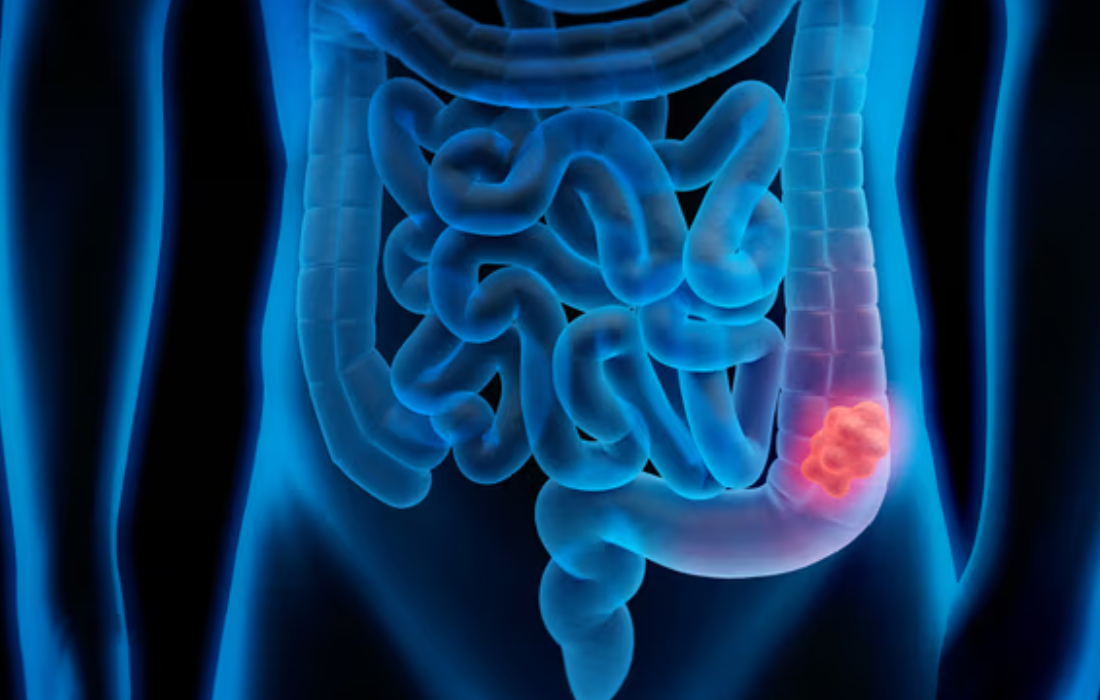
Gastrointestinal Cancer
Gastrointestinal (GI) cancer refers to a group of malignancies that affect the digestive system, including the esophagus, stomach, small intestine, large intestine (colon and rectum), liver, pancreas, gallbladder, and bile ducts. These cancers can vary widely in their presentation, progression, and treatment approach, making expert evaluation and precise surgical intervention essential for optimal outcomes.As a dedicated surgical oncologist, Dr. AnadiPachaury specializes in the diagnosis and surgical treatment of gastrointestinal cancers. With extensive experience in managing complex GI malignancies, he focuses on delivering personalized, evidence-based surgical care that prioritizes complete tumor removal, functional preservation, and improved quality of life. Patients seeking gastrointestinal cancer surgery in Shalimar Baghand Delhi NCR benefit from advanced techniques, meticulous planning, and compassionate care.
Understanding Gastrointestinal Cancer
Gastrointestinal cancers arise from abnormal cell growth in various organs of the digestive tract. Depending on the site of origin, these cancers may present with different symptoms and require different surgical strategies. Common types of GI cancers include:
- Esophageal cancer
- Stomach (gastric) cancer
- Small intestine cancer
- Colorectal (colon and rectal) cancer
- Liver cancer
- Pancreatic cancer
- Gallbladder and bile duct cancers
Early detection and accurate staging are critical in determining the most effective treatment plan and improving long-term survival.
Causes and Risk Factors
The development of gastrointestinal cancer is influenced by a combination of genetic, lifestyle, and environmental factors. Common risk factors include:
- Chronic inflammation (such as gastritis, hepatitis, or inflammatory bowel disease)
- Unhealthy diet high in processed or red meats
- Smoking and excessive alcohol consumption
- Obesity and sedentary lifestyle
- Family history of GI cancers
- Infections such as Helicobacter pylori (stomach cancer)
- Liver cirrhosis and viral hepatitis (liver cancer)
Understanding these risk factors helps in early screening and preventive strategies, especially for high-risk individuals.
Symptoms of Gastrointestinal Cancer
Symptoms of GI cancer often vary depending on the organ involved and the stage of the disease. In early stages, symptoms may be mild or absent, which can delay diagnosis. Common warning signs include:
- Persistent abdominal pain or discomfort
- Unexplained weight loss
- Difficulty swallowing
- Changes in bowel habits
- Blood in stool or vomit
- Persistent nausea or vomiting
- Jaundice (yellowing of skin and eyes)
- Loss of appetite and fatigue
Any persistent or worsening digestive symptoms should prompt evaluation by a gastrointestinal cancer specialist.
Diagnosis and Preoperative Assessment
Accurate diagnosis is the foundation of successful gastrointestinal cancer treatment. Dr. Anadi Pachaury emphasizes a thorough diagnostic workup to determine cancer type, stage, and resectability.
- Endoscopy and colonoscopy
- Ultrasound, CT scan, and MRI
- PET scans for advanced staging
- Biopsy and histopathological examination
- Tumor marker blood tests
These investigations allow for precise surgical planning and help determine whether additional treatments such as chemotherapy or radiation are needed before or after surgery.
Surgical Treatment for Gastrointestinal Cancer
Surgery remains the most effective curative treatment for many gastrointestinal cancers, especially when diagnosed at an early or resectable stage. The surgical approach depends on the tumor’s location, size, spread, and overall patient health.
Dr. Pachaury’s primary goal is to achieve complete tumor removal with clear margins while preserving organ function and minimizing complications.
Stomach (Gastric) Cancer Surgery
For stomach cancer, Dr. Pachaury performs partial or total gastrectomy, depending on tumor location and extent. The procedure involves removing the affected portion of the stomach along with nearby lymph nodes to ensure complete cancer clearance. Advanced reconstruction techniques are used to restore digestive continuity and maintain nutritional function.
Colorectal Cancer Surgery
Colon and rectal cancers are among the most common gastrointestinal malignancies. Surgical treatment involves removing the cancerous segment of the intestine along with associated lymph nodes. Dr. Pachaury utilizes minimally invasive laparoscopic and robotic techniques whenever appropriate, which offer benefits such as reduced pain, faster recovery, and shorter hospital stays.
Liver and Pancreatic Cancer Surgery
Surgery for liver and pancreatic cancers requires exceptional precision due to the complexity of these organs and their proximity to major blood vessels.
- Liver resection is performed for selected liver tumors while preserving healthy liver tissue.
- Pancreatic surgeries, such as the Whipple procedure or distal pancreatectomy, are performed with strict oncological principles to ensure safety and effectiveness.
These procedures demand advanced expertise, which Dr. Pachaury brings through meticulous planning and execution.
Gallbladder and Biliary Tract Cancer Surgery
Gallbladder and bile duct cancers often present at advanced stages. When resectable, surgery involves removal of the gallbladder, portions of the liver, and regional lymph nodes to achieve complete tumor clearance. Early surgical intervention significantly improves survival outcomes in these aggressive cancers.
Minimally Invasive Gastrointestinal Cancer Surgery
Whenever clinically appropriate, Dr. Anadi Pachaury prioritizes minimally invasive surgical techniques, including laparoscopic and advanced image-guided procedures.
- Smaller incisions
- Reduced postoperative pain
- Lower risk of complications
- Faster recovery and earlier return to daily activities
- Improved cosmetic outcomes
These approaches are carefully selected based on cancer stage and patient suitability.
Multidisciplinary Approach to GI Cancer Treatment
Gastrointestinal cancer treatment often requires more than surgery alone. Dr. Pachaury works closely with a multidisciplinary team that includes:
- Medical oncologists
- Radiation oncologists
- Gastroenterologists
- Radiologists
- Pathologists
- Nutritionists and rehabilitation specialists
This collaborative approach ensures that surgery is seamlessly integrated with chemotherapy, radiation therapy, or targeted treatments when required, providing comprehensive and coordinated care.
Recovery and Postoperative Care
Postoperative care plays a crucial role in long-term recovery and quality of life. After gastrointestinal cancer surgery, patients receive:
- Pain management and wound care
- Nutritional counseling and dietary planning
- Early mobilization and physiotherapy
- Monitoring for complications and recurrence
- Regular follow-up and surveillance imaging
Dr. Pachaury remains actively involved throughout the recovery process, ensuring patients receive continuous guidance and support.
Importance of Early Detection and Timely Surgery
Early-stage gastrointestinal cancers have significantly better treatment outcomes. Regular screening, awareness of symptoms, and timely consultation with a specialist can make a life-saving difference.
Advances in diagnostic imaging and surgical techniques have made it possible to treat GI cancers more effectively, even in complex cases.
Why Choose Dr. Anadi Pachaury for Gastrointestinal Cancer Surgery in Shalimar Bagh
Patients choose Dr. Anadi Pachaury for gastrointestinal cancer treatment because of his:
- Specialized expertise in GI cancer surgery
- Experience with complex and advanced cancer cases
- Focus on minimally invasive and precision-based surgery
- Patient-centric and compassionate care approach
- Commitment to improved survival and quality of life
His goal is not only to treat cancer but to help patients return to a healthier, more fulfilling life.
Conclusion
Gastrointestinal cancer is a serious condition that requires timely diagnosis, expert surgical management, and a comprehensive treatment approach. Surgery remains the cornerstone of curative treatment for many GI cancers, and choosing the right surgical oncologist is critical.
Under the expert care of Dr. Anadi Pachaury, patients receive advanced gastrointestinal cancer surgery combined with personalized, compassionate care. Through precision, innovation, and collaboration, he strives to deliver the best possible outcomes for every patient.
If you or a loved one is experiencing symptoms of gastrointestinal cancer or has been diagnosed with a GI malignancy, early consultation with a specialized surgical oncologist can significantly improve treatment success and long-term survival.