
Uterine Cancer
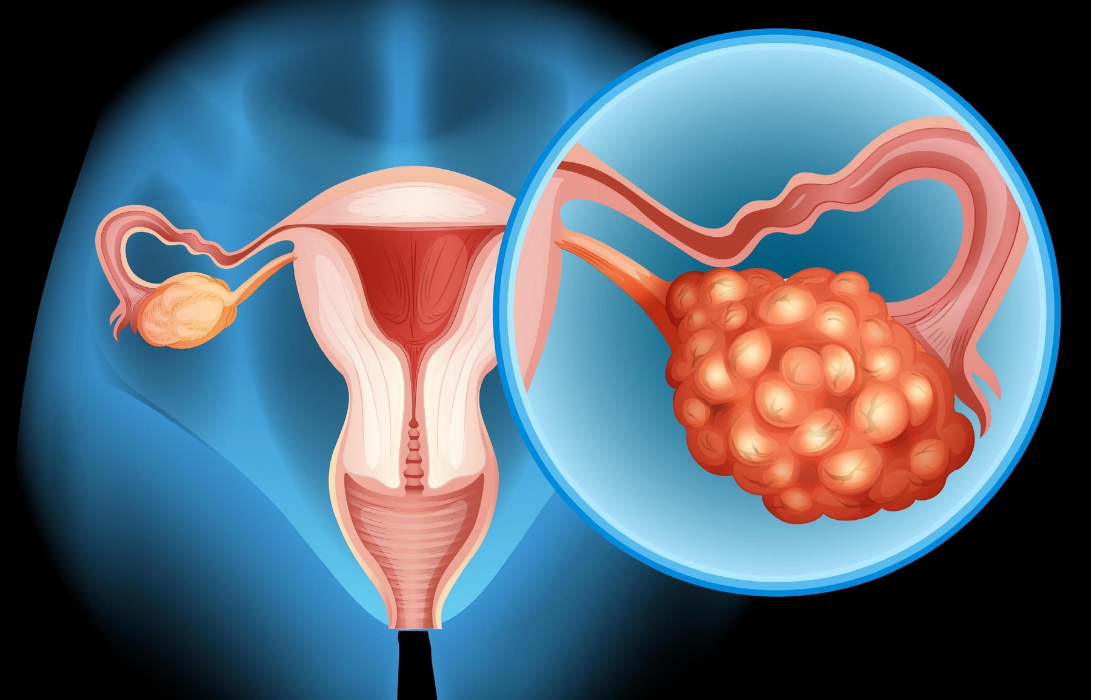
Uterine Cancer
Uterine cancer, also known as endometrial cancer, is one of the most common gynecological malignancies affecting women, particularly after menopause. It originates in the lining of the uterus (endometrium) and, if detected early, is highly treatable. Early intervention and precise surgical management play a pivotal role in improving survival and quality of life for patients diagnosed with uterine cancer.As an experienced surgical oncologist, Dr. Anadi Pachaury specializes in advanced uterine cancer surgeries. With expertise in both minimally invasive and complex open surgical procedures, he provides tailored treatment strategies for women of all ages. Patients seeking Uterine Cancer Surgery in Dwarka and Delhi NCR benefit from his meticulous planning, cutting-edge techniques, and compassionate care.
Understanding Uterine Cancer
Uterine cancer usually begins in the endometrium, the inner lining of the uterus. Over time, abnormal cells multiply uncontrollably, forming tumors. The two primary types of uterine cancer include:
- Endometrioid carcinoma – the most common type, often associated with excess estrogen
- Serous carcinoma – a more aggressive and less common type
Although the exact cause of uterine cancer is not always known, certain risk factors can increase the likelihood of developing this disease.
Risk Factors for Uterine Cancer
- Age over 50 years
- Hormonal imbalance, particularly excess estrogen
- Obesity and metabolic syndrome
- Family history of uterine, ovarian, or colorectal cancers
- Genetic mutations, including Lynch syndrome
- Early menstruation or late menopause
- Never having been pregnant
- History of polycystic ovary syndrome (PCOS) or endometrial hyperplasia
Understanding these risk factors can guide early screening and preventive strategies, improving outcomes.
Symptoms of Uterine Cancer
- Abnormal vaginal bleeding, especially after menopause
- Prolonged or heavy menstrual bleeding
- Vaginal discharge that is watery, blood-tinged, or unusual
- Pelvic pain or pressure
- Pain during sexual intercourse
- Unexplained weight loss
Women experiencing these symptoms should promptly consult a specialist for evaluation. Early diagnosis dramatically improves the chances of successful treatment.
Importance of Early Detection and Staging
Early detection of uterine cancer allows for less invasive treatment and better long-term outcomes. Dr. Anadi Pachaury emphasizes a thorough preoperative evaluation that includes:
- Pelvic ultrasound and transvaginal imaging
- MRI and CT scans to assess tumor spread
- Endometrial biopsy to confirm diagnosis
- Blood tests including tumor markers when indicated
Accurate staging of the cancer is crucial to determine the most effective surgical and therapeutic approach.
Surgical Treatment for Uterine Cancer
Surgery remains the primary and most effective treatment for uterine cancer. Dr. Pachaury focuses on procedures that aim for complete removal of cancerous tissues while preserving normal organ function whenever possible.
Total Hysterectomy
For most cases, total hysterectomy is the standard surgical procedure. This involves:
- Removal of the uterus and endometrial lining
- Removal of the cervix in most cases
- Lymph node dissection when indicated
The goal is to achieve clear margins to reduce the risk of recurrence. Dr. Pachaury meticulously plans each procedure, considering the patient’s overall health, tumor size, and disease stage.
Minimally Invasive Surgical Techniques
Whenever feasible, Dr. Pachaury employs minimally invasive approaches, including laparoscopic and robotic-assisted hysterectomy. These advanced techniques provide several benefits:
- Smaller surgical incisions
- Reduced blood loss
- Lower risk of postoperative complications
- Shorter hospital stays
- Faster recovery and return to daily activities
Minimally invasive surgery is particularly valuable for early-stage uterine cancer patients who wish to maintain normal function and avoid prolonged recovery periods.
Advanced Surgery for Aggressive or Advanced Cases
In more advanced uterine cancer cases, surgery may involve:
- Removal of tumors that have spread beyond the uterus
- Resection of pelvic or para-aortic lymph nodes
- Partial removal of surrounding tissues affected by cancer
Dr. Pachaury approaches these complex procedures with precision to ensure complete tumor clearance while minimizing harm to vital structures.
Multidisciplinary Approach to Uterine Cancer
Successful treatment of uterine cancer often requires a combination of surgery, chemotherapy, and radiation therapy. Dr. Pachaury works closely with:
- Medical oncologists for chemotherapy planning
- Radiation oncologists for targeted radiotherapy
- Pathologists for accurate tumor assessment
- Physiotherapists and nutritionists for postoperative recovery
This multidisciplinary strategy ensures comprehensive care tailored to each patient’s unique needs.
Role of Chemotherapy and Radiation Therapy
- Chemotherapy may be recommended before or after surgery for high-grade or advanced-stage uterine cancer
- Radiation therapy helps reduce recurrence risk, especially in patients with lymph node involvement or high-risk histology
- Targeted therapies may also be incorporated in selected patients based on tumor biology
Dr. Pachaury ensures that these therapies are integrated seamlessly with surgical intervention to maximize effectiveness while minimizing side effects.
Postoperative Care and Recovery
Post-surgery care is crucial for achieving optimal outcomes. Dr. Pachaury emphasizes:
- Pain management
- Early mobilization and physical rehabilitation
- Nutritional guidance to support healing
- Monitoring for potential complications
- Emotional and psychological support for patients and families
His patient-centered approach ensures that recovery is as smooth and comfortable as possible.
Long-Term Follow-Up and Surveillance
Even after successful surgery, uterine cancer requires long-term follow-up to monitor for recurrence. Follow-up care includes:
- Routine physical and pelvic examinations
- Periodic imaging studies
- Monitoring for symptoms or complications
- Guidance on lifestyle modifications to reduce recurrence risk
Dr. Pachaury provides a structured follow-up plan that ensures patients receive timely evaluations and support throughout their journey.
Why Choose Dr. Anadi Pachaury for Uterine Cancer Surgery in Dwarka?
Patients choose Dr. Anadi Pachaury for their uterine cancer treatment due to his:
- Extensive experience in gynecological oncology and uterine cancer surgery
- Expertise in minimally invasive and robotic-assisted procedures
- Precision in achieving clear surgical margins and reducing recurrence
- Ability to handle advanced and complex cancer cases
- Compassionate, patient-focused approach
- Multidisciplinary coordination for comprehensive, evidence-based care
With his guidance, patients not only receive surgical excellence but also ongoing support to maintain physical and emotional well-being.
Conclusion
Uterine cancer is a serious but highly treatable condition when diagnosed early and managed by a skilled specialist. Surgical intervention remains the most effective treatment, particularly when combined with minimally invasive techniques and a comprehensive care plan.
Under the expert care of Dr. Anadi Pachaury, patients receive advanced Uterine Cancer Surgery in Dwarka, supported by meticulous planning, precision surgery, and compassionate care. His personalized approach ensures that every patient receives the most effective treatment tailored to their individual needs, maximizing survival outcomes and improving quality of life.
Early detection, expert surgical management, and comprehensive follow-up are the keys to successfully managing uterine cancer, making the choice of a specialist critical to long-term success and well-being.