
HIPEC
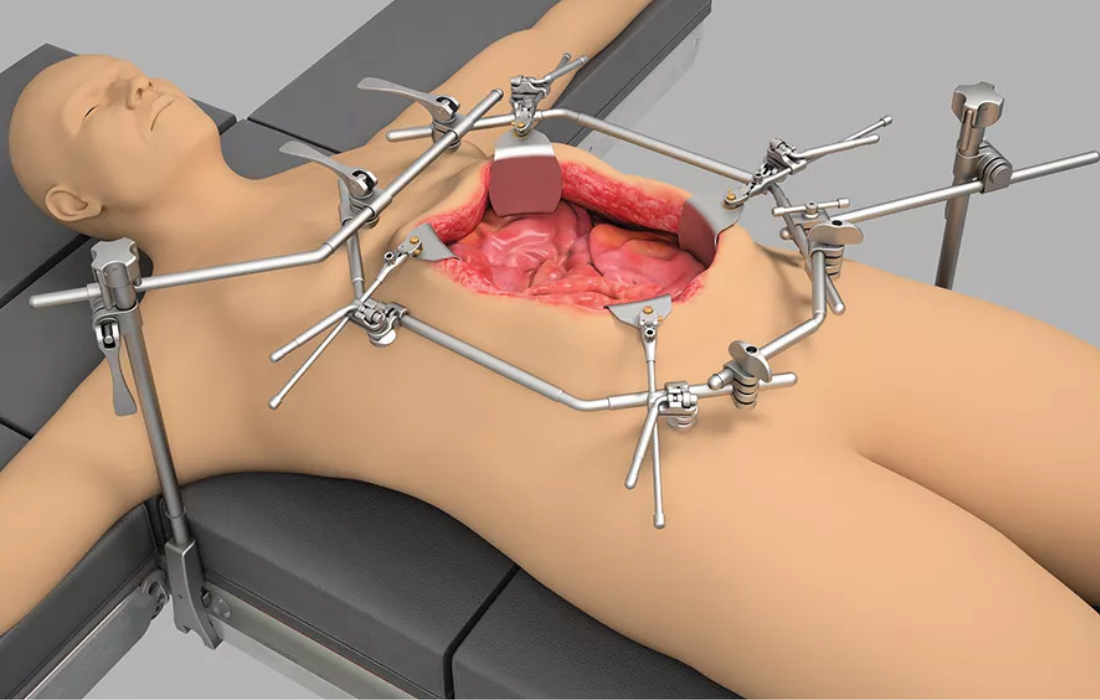
HIPEC
Hyperthermic Intraperitoneal Chemotherapy (HIPEC) is a state-of-the-art cancer treatment designed for patients with peritoneal carcinomatosis, where cancer spreads across the lining of the abdominal cavity. This innovative procedure combines Cytoreductive Surgery (CRS) to remove visible tumors with the direct delivery of heated chemotherapy into the abdomen, targeting microscopic cancer cells that are otherwise difficult to eliminate.
As a highly experienced surgical oncologist, Dr. Anadi Pachaury specializes in performing HIPEC Cancer Surgery in Dwarka, providing patients with advanced care and the latest therapeutic options. His expertise ensures complete tumor removal, effective chemotherapy delivery, and optimal postoperative recovery for patients with complex abdominal malignancies.
Understanding Peritoneal Carcinomatosis
Peritoneal carcinomatosis occurs when cancer cells spread to the peritoneum, the thin membrane lining the abdominal cavity. These cancer cells often originate from primary tumors in organs such as:
- Stomach
- Colon and rectum
- Ovaries
- Pancreas
- Appendix
Peritoneal metastases are challenging to treat because conventional systemic chemotherapy may not reach tumors effectively due to the peritoneal-plasma barrier. This limitation has driven the development of HIPEC, which allows direct application of heated chemotherapy for higher local concentration and improved efficacy.
What is HIPEC?
HIPEC stands for Hyperthermic Intraperitoneal Chemotherapy. It is a specialized cancer treatment performed immediately after cytoreductive surgery, once all visible tumors inside the abdominal cavity have been removed.
The HIPEC procedure involves the following steps:
- Cytoreductive Surgery (CRS) – Complete removal of all visible tumors from the peritoneal surfaces and affected organs.
- Heated Chemotherapy Delivery – The abdominal cavity is perfused with chemotherapy heated to approximately 41–43°C (105–110°F).
- Enhanced Penetration – Heat increases absorption of chemotherapy by residual cancer cells and enhances its cancer-killing effect.
- Minimized Systemic Toxicity – Direct intraperitoneal delivery allows high local drug concentration with fewer side effects than intravenous chemotherapy.
HIPEC is typically administered for 90–120 minutes under controlled conditions, after which the abdomen is thoroughly rinsed and the surgical incision is closed.
Advantages of HIPEC
HIPEC offers several important advantages for patients suffering from peritoneal cancers:
- Targeted Therapy – Directly attacks cancer cells inside the abdominal cavity.
- Increased Efficacy – Heat enhances chemotherapy effectiveness and penetrates microscopic residual tumors.
- Reduced Side Effects – Lower systemic exposure compared to traditional intravenous chemotherapy.
- Improved Survival Rates – Especially in ovarian, colorectal, gastric, and appendiceal cancers.
- Minimal Damage to Healthy Tissues – Focused treatment minimizes harm to surrounding organs.
- Combined with Cytoreductive Surgery – CRS + HIPEC provides a comprehensive strategy for long-term disease control.
These advantages make HIPEC a powerful and effective treatment option for selected patients with advanced or recurrent peritoneal malignancies who have limited alternatives.
Indications for HIPEC
HIPEC is indicated for patients with peritoneal surface malignancies arising from various abdominal cancers, especially when disease has spread within the abdominal cavity.
Common indications for HIPEC include:
- Colorectal cancer – Peritoneal metastasis resistant to systemic chemotherapy.
- Ovarian cancer – Especially in recurrent or platinum-resistant cases.
- Gastric cancer – When associated with peritoneal spread.
- Appendiceal cancer – Mucinous adenocarcinoma with peritoneal dissemination.
- Peritoneal mesothelioma – A rare cancer arising from the peritoneal lining.
Dr. Anadi Pachaury evaluates each patient individually to determine suitability for CRS + HIPEC, considering tumor type, disease burden, prior treatments, and overall health status.
Preoperative Assessment
Before undergoing HIPEC, a comprehensive evaluation is essential to ensure patient safety and achieve the best possible outcomes.
The preoperative workup typically includes:
- Detailed medical and oncological history review.
- Advanced imaging studies such as CT scan, MRI, or PET-CT to assess tumor distribution.
- Laboratory investigations including blood counts, liver function, and kidney function tests.
- Nutritional assessment to ensure the patient is fit for major surgery.
- Comprehensive counseling about the procedure, expected benefits, risks, and recovery process.
This thorough preparation allows HIPEC treatment to be customized for each patient, maximizing effectiveness while minimizing surgical risks.
The HIPEC Procedure
HIPEC is performed immediately after Cytoreductive Surgery (CRS) under general anesthesia. The combined procedure targets both visible and microscopic cancer cells inside the abdominal cavity.
The main steps of the HIPEC procedure include:
- Cytoreductive Surgery (CRS) – Complete removal of all visible tumors, including affected organs if required.
- Placement of Perfusion Catheters – Special tubes are placed to allow circulation of heated chemotherapy.
- Chemotherapy Circulation – The chemotherapy solution is heated and circulated inside the abdomen for 60–120 minutes.
- Monitoring and Control – Temperature, flow rate, and drug concentration are continuously monitored to ensure safety.
- Abdominal Closure – After completion of HIPEC, the cavity is rinsed and surgical incisions are closed.
The combination of CRS + HIPEC allows treatment of both macroscopic and microscopic disease, significantly improving the chances of long-term disease
Recovery After HIPEC
Postoperative care plays a critical role in recovery after CRS + HIPEC. Dr. Pachaury focuses on comprehensive postoperative management to ensure safe healing and early return to daily activities.
Key aspects of postoperative care include:
- Pain management and early mobilization to reduce complications and improve recovery.
- Nutritional support to ensure adequate intake for healing and liver function.
- Close monitoring for complications such as infection, bleeding, or organ dysfunction.
- Physical and functional rehabilitation to restore strength, mobility, and independence.
- Regular follow-up imaging and laboratory tests to monitor for recurrence.
Although CRS + HIPEC is an extensive procedure, meticulous surgical technique and structured postoperative care allow many patients to recover well and resume normal activities within a few weeks.
Integration with Multidisciplinary Care
HIPEC is most effective when delivered as part of a comprehensive, multidisciplinary cancer treatment strategy. Dr. Pachaury works closely with a team of specialists to ensure holistic patient care.
The multidisciplinary team includes:
- Medical oncologists for systemic chemotherapy or targeted therapy.
- Radiation oncologists when combined treatment modalities are required.
- Nutritionists to support recovery and maintain strength.
- Rehabilitation specialists for mobility and functional recovery.
- Psychological support teams to address emotional and mental well-being.
This collaborative approach ensures that each patient receives individualized, comprehensive care aimed at maximizing survival and improving long-term quality of life.
Advantages Over Conventional Treatments
Compared to systemic chemotherapy alone, HIPEC offers several important advantages in the management of peritoneal malignancies.
- Direct and effective drug delivery to peritoneal tumor surfaces.
- Enhanced penetration and cytotoxicity due to the effect of heat.
- Reduced systemic toxicity compared to intravenous chemotherapy.
- Ability to combine with surgery for complete macroscopic tumor removal.
- Potential for repeat treatments in selected and carefully evaluated cases.
- Improved survival and quality of life in patients with advanced abdominal cancers.
These benefits make HIPEC a powerful and essential tool in modern surgical oncology, especially for patients with advanced or recurrent peritoneal cancers.
Why Choose Dr. Anadi Pachaury for HIPEC in Dwarka
Patients seeking HIPEC Cancer Surgery in Dwarka benefit from Dr. Pachaury’s extensive expertise, precision-driven approach, and patient-centered care philosophy.
- Extensive experience in advanced cytoreductive surgery and peritoneal malignancies.
- Expertise in precision HIPEC delivery using both open and minimally invasive techniques.
- Personalized treatment planning based on tumor type, disease stage, and overall patient health.
- Strong collaboration with a multidisciplinary team for comprehensive cancer care.
- Commitment to patient safety, comfort, and long-term quality of life.
- Use of cutting-edge technology and evidence-based surgical protocols.
Under his guidance, patients receive world-class HIPEC treatment, advanced surgical expertise, and compassionate support throughout their cancer journey.
Conclusion
Hyperthermic Intraperitoneal Chemotherapy (HIPEC) represents a revolutionary approach to treating peritoneal cancers by combining the benefits of complete tumor removal with targeted, heated chemotherapy. When performed after Cytoreductive Surgery (CRS), HIPEC enables elimination of both visible tumors and microscopic residual disease, significantly improving survival and quality of life in patients with advanced or recurrent abdominal cancers.
Under the expert care of Dr. Anadi Pachaury, patients receive HIPEC Cancer Surgery in Dwarka with meticulous planning, precision execution, and comprehensive postoperative support. His expertise in CRS + HIPEC, combined with a patient-focused multidisciplinary approach, ensures optimal outcomes even in complex cases.
Early evaluation, accurate staging, and integration of HIPEC into a personalized treatment strategy are key to maximizing treatment success. Dr. Pachaury’s commitment to innovation and excellence provides patients access to cutting-edge, life-saving surgical oncology care tailored to their individual needs.