
Ovarian Cancer
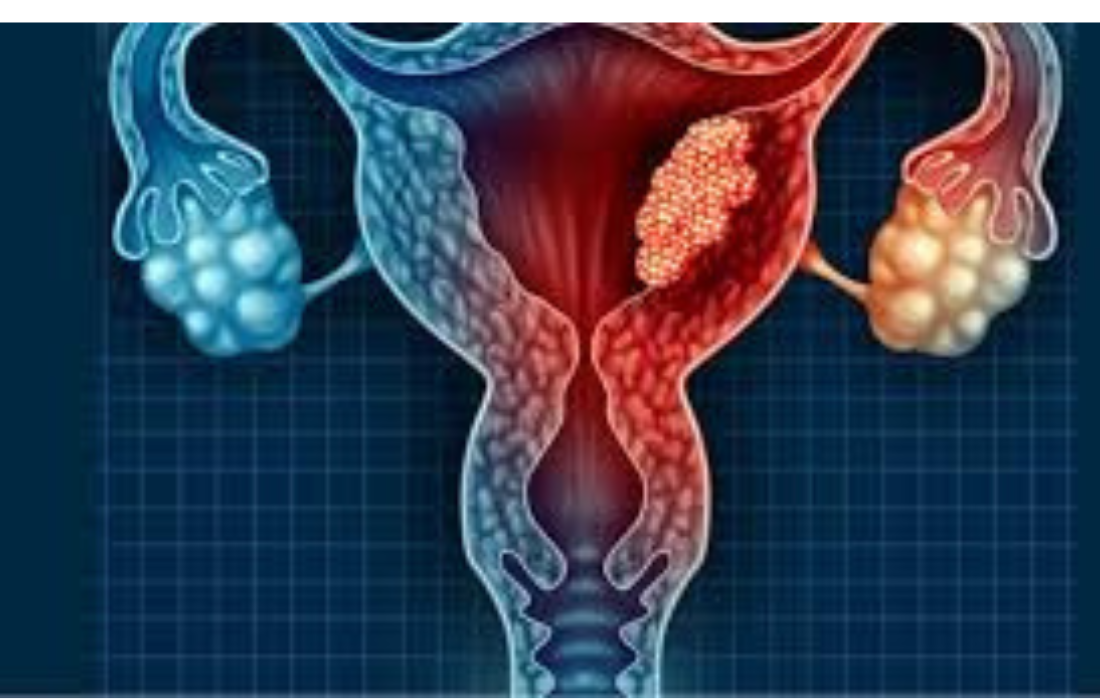
Ovarian Cancer
Ovarian cancer is one of the most serious gynecological cancers, often diagnosed at an advanced stage due to its subtle and nonspecific early symptoms. It originates in the ovaries, which are responsible for producing eggs and hormones essential to a woman’s reproductive health. Despite its complexity, ovarian cancer is treatable, especially when managed by an experienced surgical oncologist using advanced and comprehensive treatment strategies.As a highly skilled oncologist and surgical specialist, Dr. Anadi Pachaury offers expert care for ovarian cancer patients, focusing on complete tumor removal, advanced surgical precision, and improved long-term outcomes. Patients seeking Ovarian Cancer Surgery in Dwarka and Delhi NCR benefit from his extensive experience in cytoreductive surgery, minimally invasive techniques, and advanced therapies such as HIPEC.
Understanding Ovarian Cancer
Ovarian cancer occurs when abnormal cells in the ovary begin to grow uncontrollably and form a tumor. There are several types of ovarian cancer, including:
- Epithelial ovarian cancer (most common)
- Germ cell tumors
- Stromal tumors
Among these, epithelial ovarian cancer accounts for the majority of cases and is often detected at a later stage, when the disease has already spread within the abdominal cavity.
Causes and Risk Factors
The exact cause of ovarian cancer is not always known, but several factors can increase the risk, including:
- Family history of ovarian, breast, or colorectal cancer
- Genetic mutations such as BRCA1 and BRCA2
- Increasing age, particularly after menopause
- Early onset of menstruation or late menopause
- Never having been pregnant
- Hormone replacement therapy
Understanding these risk factors helps in early detection and preventive strategies.
Symptoms of Ovarian Cancer
Ovarian cancer is often called a “silent disease” because early symptoms can be mild and easily overlooked. Common symptoms include:
- Persistent abdominal bloating or swelling
- Pelvic or abdominal pain
- Difficulty eating or feeling full quickly
- Frequent urination
- Unexplained weight loss or gain
- Fatigue and changes in bowel habits
When these symptoms persist, timely consultation with a specialist is crucial for early diagnosis.
Importance of Early Diagnosis and Accurate Staging
Early diagnosis significantly improves survival outcomes in ovarian cancer. Dr. Anadi Pachaury emphasizes comprehensive evaluation and staging before initiating treatment.
Diagnostic assessment typically includes:
- Pelvic ultrasound and CT scan
- MRI or PET-CT for disease mapping
- Blood tests including CA-125 tumor marker
- Image-guided biopsy when required
Accurate staging helps determine the extent of disease and guides the surgical and treatment approach.
Surgical Treatment: The Cornerstone of Ovarian Cancer Care
Surgery is the most critical component of ovarian cancer treatment. The primary goal is complete cytoreduction, meaning the removal of all visible tumor deposits. Numerous studies have shown that optimal cytoreductive surgery significantly improves survival rates.
Dr. Pachaury specializes in cytoreductive (debulking) surgery, which may involve removal of:
- Ovaries and uterus
- Omentum (fatty tissue covering abdominal organs)
- Involved lymph nodes
- Tumor deposits from bowel, diaphragm, liver surface, or peritoneum
Each surgery is carefully planned to maximize tumor removal while preserving organ function wherever possible.
Advanced Cytoreductive Surgery for Ovarian Cancer
In advanced ovarian cancer, tumors often spread within the abdominal cavity. Dr. Pachaury’s expertise lies in performing extensive and complex cytoreductive surgeries, including:
- Multi-visceral resections
- Peritoneal stripping
- Diaphragmatic and bowel resections (when required)
His meticulous approach aims to leave no visible disease, which is a key predictor of long-term survival.
Role of HIPEC in Ovarian Cancer
For selected advanced ovarian cancer cases, HIPEC (Hyperthermic Intraperitoneal Chemotherapy) is combined with cytoreductive surgery. This advanced technique involves circulating heated chemotherapy directly within the abdominal cavity after tumor removal.
Benefits of HIPEC include:
- Direct targeting of microscopic cancer cells
- Reduced systemic side effects
- Improved disease control in selected patients
Dr. Anadi Pachaury is a HIPEC specialist and carefully selects patients who are most likely to benefit from this advanced and targeted therapy.
Minimally Invasive and Advanced Surgical Techniques
Whenever feasible, Dr. Pachaury utilizes minimally invasive approaches, including laparoscopic and robotic-assisted surgery. These modern techniques offer:
- Smaller incisions
- Reduced blood loss
- Faster recovery
- Shorter hospital stays
- Improved postoperative comfort
The choice of surgical technique depends on the disease stage, tumor spread, and the overall health of the patient.
Chemotherapy and Multimodal Treatment
While surgery remains the cornerstone of ovarian cancer treatment, most patients require a multimodal approach. Chemotherapy is commonly used:
- Before surgery (Neoadjuvant chemotherapy) to shrink tumors
- After surgery (Adjuvant chemotherapy) to eliminate remaining cancer cells
Dr. Pachaury works in close collaboration with medical oncologists to ensure seamless integration of surgery and chemotherapy for the best possible outcomes.
Postoperative Care and Recovery
Recovery after ovarian cancer surgery depends on the extent of the procedure. Dr. Pachaury ensures comprehensive postoperative care focused on patient comfort, safety, and faster healing.
Post-surgical care includes:
- Effective pain management
- Early mobilization to prevent complications
- Nutritional support for faster healing
- Prevention and early detection of complications
- Emotional and psychological support
Patients receive detailed guidance and continuous support throughout their recovery journey to ensure a safe, smooth, and comfortable healing process.
Follow-Up and Long-Term Surveillance
Ovarian cancer requires long-term follow-up due to the risk of recurrence. Dr. Pachaury designs personalized surveillance protocols to ensure early detection and long-term well-being.
Follow-up care typically includes:
- Regular clinical evaluations
- Imaging studies when indicated
- Tumor marker monitoring
- Lifestyle, nutrition, and wellness counseling
This structured long-term follow-up approach helps in early detection of recurrence and ensures patients maintain a good quality of life.
Why Choose Dr. Anadi Pachaury for Ovarian Cancer Surgery in Dwarka?
Patients choose Dr. Anadi Pachaury for ovarian cancer treatment because of his exceptional surgical expertise, advanced technology usage, and compassionate approach to care.
Key reasons include:
- Extensive experience in advanced ovarian cancer surgery
- Expertise in cytoreductive (debulking) surgery and HIPEC
- Strong focus on complete tumor removal and improved survival outcomes
- Use of advanced minimally invasive and robotic-assisted techniques
- Compassionate, patient-centered treatment philosophy
- Multidisciplinary coordination for comprehensive and holistic care
His goal is not only to treat cancer but also to restore confidence, dignity, and long-term quality of life for every patient.
Conclusion
Ovarian cancer is a complex and challenging disease that requires expert surgical management and a comprehensive, well-coordinated treatment strategy. Complete cytoreduction, combined with advanced therapies like HIPEC and chemotherapy, offers the best chance for long-term survival.
Under the care of Dr. Anadi Pachaury, patients receive world-class Ovarian Cancer Surgery in Dwarka, supported by advanced technology, meticulous surgical planning, and compassionate care. His personalized treatment approach ensures that every patient receives the most effective therapy tailored to their condition — helping them move forward with confidence, hope, and strength.