
Head and Neck Cancer
Head and Neck Cancer
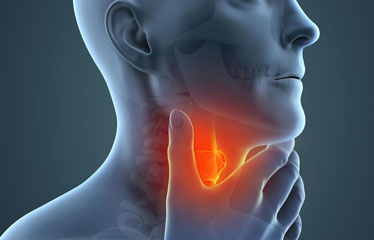
Head and neck cancer refers to a group of cancers that develop in the tissues of the oral cavity, throat (pharynx), voice box (larynx), nasal cavity, sinuses, salivary glands, and related structures. These cancers affect vital functions such as speech, swallowing, breathing, and appearance, making their treatment particularly complex. Successful management requires not only complete tumor removal but also preservation of function and quality of life.
Dr. AnadiPachaury is a highly experienced head and neck cancer surgeon, known for his precision, advanced surgical skills, and patient-focused approach. He specializes in treating complex head and neck tumors using modern surgical techniques, including minimally invasive and robotic-assisted surgery, ensuring optimal oncological outcomes while preserving essential functions.
Understanding Head and Neck Cancer
Head and neck cancers most commonly arise from the squamous cells lining the mucosal surfaces of the head and neck region. These are known as squamous cell carcinomas.
Depending on their location, head and neck cancers may include:
- • Oral cavity cancer (tongue, gums, cheeks, floor of mouth)
- • Pharyngeal cancer (nasopharynx, oropharynx, hypopharynx)
- • Laryngeal (voice box) cancer
- • Nasal cavity and sinus cancer
- • Salivary gland cancer
Each type presents unique challenges and requires individualized treatment planning by an experienced specialist.
Causes and Risk Factors
Several factors increase the risk of developing head and neck cancer. Common causes and risk factors include:
- • Tobacco use (smoking and smokeless tobacco)
- • Excessive alcohol consumption
- • Human papillomavirus (HPV) infection, particularly for oropharyngeal cancers
- • Poor oral hygiene
- • Prolonged sun exposure (lip cancer)
- • Occupational exposure to chemicals or dust
- • Family history of cancer
Understanding these risk factors helps in early detection and prevention, especially for high-risk individuals.
Symptoms of Head and Neck Cancer
Symptoms of head and neck cancer may vary depending on the tumor’s location but often include:
- • Persistent mouth ulcers or sores that do not heal
- • Difficulty or pain while swallowing
- • Hoarseness or voice changes
- • Lump or swelling in the neck
- • Unexplained weight loss
- • Persistent sore throat
- • Ear pain
- • Bleeding from the mouth or nose
Early symptoms are often subtle and may be ignored. Prompt evaluation by a head and neck cancer specialist is essential for early diagnosis and effective treatment.
Diagnosis and Preoperative Evaluation
Accurate diagnosis and staging are crucial in head and neck cancer management. Dr. AnadiPachaury emphasizes detailed preoperative assessment to determine the most effective and least invasive surgical approach.
Diagnostic evaluation may include:
- • Thorough clinical examination
- • Endoscopy to visualize tumor extent
- • Imaging studies such as CT scan, MRI, and PET-CT
- • Biopsy for histopathological confirmation
- • Assessment of speech, swallowing, and airway function
This comprehensive evaluation allows for precise surgical planning and optimal treatment outcomes.
Surgical Treatment for Head and Neck Cancer
Surgery is often the cornerstone of treatment for head and neck cancers, especially in early and resectable cases. The primary goal is complete tumor removal with clear margins, while preserving vital structures responsible for speech, swallowing, and breathing.
Oral Cancer Surgery
Surgical treatment for oral cancer involves removing the tumor from the tongue, gums, or floor of the mouth. Dr. Pachaury employs meticulous techniques to preserve tongue mobility and oral function whenever possible.
Pharyngeal and Laryngeal Cancer Surgery
Cancers of the throat and voice box require exceptional precision due to their impact on speech and swallowing. Dr. Pachaury focuses on function-preserving surgery, aiming to retain natural voice and swallowing ability whenever oncologically safe.
Minimally Invasive and Robotic Head and Neck Surgery
Advancements in technology have transformed head and neck cancer surgery. Dr. AnadiPachaury utilizes minimally invasive endoscopic techniques and robotic-assisted surgery in selected cases.
Benefits of Minimally Invasive and Robotic Surgery
- • Enhanced visualization of complex anatomy
- • Greater surgical precision
- • Smaller incisions or no external scars
- • Reduced blood loss
- • Faster recovery and shorter hospital stay
- • Better preservation of speech and swallowing functions
Robotic surgery is particularly beneficial for tumors located deep within the throat, where traditional open surgery would be more invasive.
Neck Dissection and Lymph Node Management
Head and neck cancers frequently spread to lymph nodes in the neck. Neck dissection is often performed to remove affected lymph nodes and reduce the risk of recurrence. Dr. Pachaury performs selective and comprehensive neck dissections based on disease extent, ensuring effective cancer control while minimizing functional impairment.
Role of Radiation and Chemotherapy
In addition to surgery, some patients may require:
- • Radiation therapy to destroy remaining cancer cells
- • Chemotherapy to enhance treatment effectiveness
- • Combined chemoradiation for advanced or inoperable tumors
Dr. Pachaury works closely with medical and radiation oncologists to develop a multidisciplinary, personalized treatment plan for each patient.
Rehabilitation and Functional Recovery
Recovery from head and neck cancer surgery goes beyond physical healing. Functional rehabilitation plays a crucial role in restoring quality of life.
Post-surgical support may include:
- • Speech and swallowing therapy
- • Nutritional counseling
- • Pain management
- • Psychological support
- • Regular follow-up and monitoring
Dr. Pachaury collaborates with rehabilitation specialists to ensure patients regain maximum function and confidence after treatment.
Importance of Early Detection
Early-stage head and neck cancers have significantly better outcomes and higher cure rates. Awareness of early symptoms and timely medical consultation can make a life-saving difference. Screening and early evaluation are especially important for individuals with tobacco use or HPV exposure.
Why Choose Dr. AnadiPachaury for Head and Neck Cancer Surgery in Shalimar Bagh?
Patients seeking head and neck cancer surgery in Shalimar Baghand Delhi NCR benefit from Dr. Anadi Pachaury’s:
- • Extensive experience in complex oncological surgeries
- • Expertise in minimally invasive and robotic head and neck surgery
- • Strong focus on function-preserving techniques
- • Multidisciplinary approach to cancer care
- • Personalized treatment plans and compassionate care
His commitment to precision, safety, and long-term quality of life makes him a trusted head and neck cancer specialist.
Conclusion
Head and neck cancer is a challenging disease that affects vital human functions and appearance. Successful treatment requires expert surgical skill, advanced technology, and comprehensive postoperative care. With early diagnosis, precise surgery, and dedicated rehabilitation, patients can achieve excellent oncological and functional outcomes.
Under the expert care of Dr. Anadi Pachaury, patients receive head and neck cancer surgery tailored to their individual needs, with a strong emphasis on tumor clearance, functional preservation, and holistic recovery.