
Bone Sarcoma
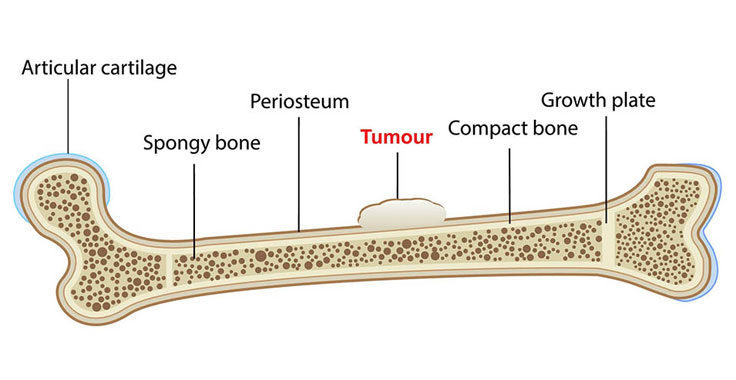
Bone sarcoma
Bone sarcoma is a rare type of cancer that starts in the bone itself. It occurs when abnormal cells grow uncontrollably and form a tumor within the bone tissue. Bone sarcoma can affect children, teenagers, and adults and is commonly seen in the long bones of the arms and legs, but it may also occur in the pelvis or spine. Early diagnosis and specialized treatment are essential for better outcomes and preserving limb function.
Causes and Risk Factors of Bone Sarcoma
The exact cause of bone sarcoma is often unknown, but certain factors may increase the risk:
- Genetic syndromes such as Li-Fraumeni syndrome or hereditary retinoblastoma
- Previous radiation therapy
- Certain bone diseases like Paget’s disease
- Rapid bone growth during adolescence
- Family history of cancer
- Previous chemotherapy exposure
However, many patients develop bone sarcoma without any clear risk factors.
Symptoms of Bone Sarcoma
Symptoms can develop gradually and may be mistaken for common injuries. Common warning signs include:
- Persistent bone pain that worsens over time
- Swelling or a noticeable lump near the affected area
- Limited movement or stiffness
- Weak bones or fractures after minor injuries
- Fatigue or unexplained weight loss
Persistent or worsening symptoms should always be evaluated by a specialist.
Diagnosis of Bone Sarcoma
Accurate diagnosis is essential for planning effective treatment. Evaluation may include:
- Physical examination and medical history
- X-rays to detect bone abnormalities
- MRI or CT scans to evaluate tumor size and spread
- PET scan in selected cases
- Biopsy to confirm cancer type and stage
A multidisciplinary approach ensures precise staging and treatment planning.
Treatment Options for Bone Sarcoma
Treatment depends on tumor type, stage, and location. Common options include:
- Surgery to remove the tumor while preserving function
- Limb-sparing procedures whenever possible
- Chemotherapy before or after surgery
- Radiation therapy for selected cases
- Advanced reconstructive surgery for functional recovery
The main goal is complete cancer removal while maintaining mobility and quality of life.
Consultation for Bone Sarcoma Treatment
Early consultation with a specialized surgical oncologist is essential for accurate diagnosis and personalized treatment planning. Patients receive a comprehensive evaluation, clear treatment guidance, and compassionate support throughout their journey. Timely expert care significantly improves treatment success and long-term outcomes.