
Biliary tract cancer
Biliary tract cancer
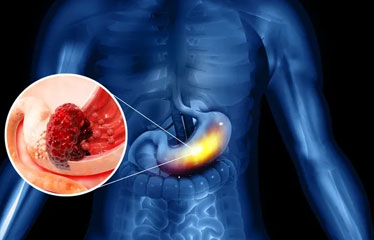
Biliary tract cancer is a broad term used to describe cancers that develop in the organs located within the abdominal cavity. These organs include the stomach, liver, pancreas, gallbladder, small intestine, large intestine (colon), appendix, and sometimes the peritoneum (the lining of the abdominal cavity). Because the abdomen contains multiple vital organs, abdominal cancers can vary widely in type, symptoms, progression, and treatment approaches. Early diagnosis and expert medical care are crucial for improving outcomes and quality of life.
Dr. AnadiPachaury is a highly experienced cancer surgeon specializing in the diagnosis and treatment of abdominal cancers. With a patient-centered approach and expertise in both open and minimally invasive surgical techniques, he provides comprehensive, personalized care tailored to each patient’s condition.
What Is Biliary tract cancer?
Biliary tract cancer refers to malignant tumors that originate in the abdominal organs. Depending on the affected organ, abdominal cancer may include:
- • Stomach (gastric) cancer
- • Liver cancer
- • Pancreatic cancer
- • Small bowel cancer
- • Colon and rectal cancer
- • Gallbladder cancer
- • Ovarian cancer (in women)
- • Peritoneal cancer
Each type of Biliary tract cancer behaves differently, but many share overlapping symptoms, which can sometimes make early detection challenging.
Causes and Risk Factors of Biliary tract cancer
The causes of Biliary tract cancer are multifactorial and often involve a combination of genetic, environmental, and lifestyle factors. Some of the most common risk factors include:
- • Genetic predisposition and family history of cancer
- • Chronic infections, such as Helicobacter pylori (stomach cancer) or hepatitis B and C (liver cancer)
- • Smoking and tobacco use, which significantly increase the risk of gastrointestinal cancers
- • Excessive alcohol consumption, especially linked to liver and pancreatic cancer
- • Obesity and poor dietary habits, including high intake of processed foods and low fiber consumption
- • Lack of physical activity
- • Chronic inflammatory conditions, such as Crohn’s disease, ulcerative colitis, or chronic pancreatitis
Understanding these risk factors allows for better prevention strategies and timely screening, especially for high-risk individuals.
Symptoms of Biliary tract cancer
One of the major challenges with abdominal cancer is that early symptoms are often vague and may resemble common digestive problems. Symptoms can vary depending on the organ involved but commonly include:
- • Persistent abdominal pain or discomfort
- • Bloating or a feeling of fullness
- • Unexplained weight loss
- • Loss of appetite
- • Nausea or vomiting
- • Changes in bowel habits (diarrhea, constipation, or narrowing of stools)
- • Blood in stool or vomit
- • Jaundice (yellowing of the skin or eyes), especially in liver or pancreatic cancer
- • Fatigue and weakness
Because these symptoms can be subtle, many patients delay seeking medical attention. Early evaluation by an experienced abdominal cancer specialist can make a significant difference in treatment success.
Diagnosis of Biliary tract cancer
Accurate diagnosis is the foundation of effective abdominal cancer treatment. Dr. Anadi Pachaury follows a thorough diagnostic approach to determine the type, stage, and extent of the cancer. Diagnostic tools may include:
- • Blood tests, including tumor markers
- • Imaging studies such as ultrasound, CT scan, MRI, or PET scan
- • Endoscopic procedures (gastroscopy, colonoscopy)
- • Biopsy, which confirms the presence of cancer cells
- • Diagnostic laparoscopy, in selected cases, to assess cancer spread
This comprehensive evaluation ensures precise staging and helps in formulating the most effective treatment plan.
Treatment Options for Biliary tract cancer
Treatment for abdominal cancer depends on several factors, including the type of cancer, stage, location, and the patient’s overall health. Dr. Anadi Pachaury emphasizes a multidisciplinary and personalized approach to care.
1. Surgery for Abdominal Cancer
Surgery is often the primary and most effective treatment for abdominal cancer, especially when detected early. The goal of surgery is to remove the tumor completely while preserving as much normal organ function as possible.
Dr. Pachaury is highly skilled in performing both open and minimally invasive abdominal cancer surgeries, including:
- • Tumor resection
- • Organ-specific cancer surgeries (stomach, colon, pancreas, liver, etc.)
- • Lymph node dissection for accurate staging
Whenever appropriate, minimally invasive techniques such as laparoscopy are used to reduce surgical trauma and improve recovery.
2. Minimally Invasive and Advanced Surgical Techniques
Minimally invasive surgery plays a vital role in modern abdominal cancer treatment. These techniques involve smaller incisions, less blood loss, and faster recovery. Benefits include:
- • Reduced postoperative pain
- • Shorter hospital stays
- • Faster return to daily activities
- • Lower risk of complications
Dr. Pachaury carefully evaluates each case to determine whether minimally invasive surgery is suitable, ensuring the best balance between safety and effectiveness.
3. Chemotherapy
Chemotherapy uses powerful medications to destroy cancer cells or stop their growth. It may be used:
- • Before surgery (neoadjuvant therapy) to shrink tumors
- • After surgery (adjuvant therapy) to eliminate remaining cancer cells
- • For advanced-stage cancers to control disease progression
Chemotherapy is often combined with surgery for optimal treatment results.
4. Radiation Therapy
Radiation therapy may be recommended in certain abdominal cancers to target specific tumor areas. It can be used alone or in combination with surgery and chemotherapy, depending on the cancer type and stage.
Recovery and Post-Treatment Care
Recovery after abdominal cancer treatment is a gradual process that requires careful monitoring and supportive care. Dr. AnadiPachaury provides comprehensive post-treatment follow-up, which includes:
- • Regular clinical evaluations
- • Imaging and laboratory tests to monitor for recurrence
- • Nutritional guidance and digestive health support
- • Pain management and symptom control
- • Emotional and psychological support
This long-term follow-up ensures that any complications or recurrence are detected early
Importance of Early Detection
Early detection significantly improves survival rates and treatment success in abdominal cancer. Individuals with risk factors or persistent digestive symptoms should seek medical evaluation without delay. Regular screening, especially for colon and stomach cancers, can detect precancerous conditions before they progress.
Why Choose Dr. AnadiPachaury for Biliary tract cancer Treatment?
Dr. AnadiPachaury is a trusted name in cancer care, known for his expertise in abdominal cancer surgery and compassionate patient management. Patients benefit from:
- • Extensive experience in complex cancer surgeries
- • Personalized treatment planning
- • Expertise in minimally invasive techniques
- • Multidisciplinary coordination for comprehensive care
- • Focus on quality of life and long-term outcomes
His approach combines advanced medical knowledge with a deep commitment to patient well-being.
Conclusion
Biliary tract cancer is a complex and potentially life-threatening condition, but with early diagnosis and expert treatment, many patients achieve positive outcomes. Understanding the symptoms, risk factors, and available treatment options empowers patients to take timely action. Under the care of an experienced specialist like Dr. Anadi Pachaury, patients receive comprehensive, state-of-the-art treatment designed to maximize recovery and improve quality of life.
If you or a loved one is experiencing persistent abdominal symptoms or has been diagnosed with abdominal cancer, consulting an experienced abdominal cancer specialist can make all the difference.